Reduce Stress Hormone Levels
Reduce Stress Hormone Levels
How Spa Treatments Work on the Body’s Chemistry
Stress is not just a feeling. It is a measurable biological event — one that floods the bloodstream with hormones, disrupts sleep, suppresses the immune system, and, when sustained over time, contributes to serious health conditions including heart disease, metabolic disorders, depression, and anxiety. At the center of this response is cortisol, the body’s primary stress hormone, and understanding how to regulate it is one of the most important goals in both clinical medicine and personal wellness.
Spa treatments — including massage therapy, hydrotherapy, and balneotherapy — have a growing evidence base demonstrating their capacity to reduce cortisol and other stress hormones while simultaneously raising the mood-regulating neurochemicals serotonin and dopamine. This article examines what the science says, drawing on peer-reviewed research published in leading medical journals.
Understanding Cortisol: The Stress Hormone
Cortisol is produced by the adrenal glands in response to the hypothalamic-pituitary-adrenal (HPA) axis, the body’s central stress-response system. In appropriate doses, cortisol is essential — it regulates metabolism, controls inflammation, and governs the fight-or-flight response. The problem arises when cortisol is chronically elevated, a condition associated with prolonged psychological or physical stress.
Chronically high cortisol levels are linked to weight gain (particularly around the abdomen), disrupted sleep, impaired memory, elevated blood pressure, suppressed immune function, and a heightened risk of anxiety and depression. Reducing cortisol levels — and supporting the body’s ability to recover from acute stress — is therefore a genuine clinical priority, not merely a wellness aspiration.
Other stress-related biomarkers include norepinephrine (a neurotransmitter involved in the fight-or-flight response), adrenaline (epinephrine), and inflammatory markers like interleukin-6 (IL-6). Effective stress-reduction therapies tend to influence more than one of these simultaneously.
Massage Therapy: Measurable Changes in Brain Chemistry
The most extensively researched spa treatment for stress hormone reduction is massage therapy. Studies consistently demonstrate that massage produces measurable changes not just in how people feel, but in the biochemical markers of stress and recovery.
The most comprehensive review of this evidence comes from the Touch Research Institute at the University of Miami School of Medicine. A landmark review by Tiffany Field, Maria Hernandez-Reif, and colleagues, published in the International Journal of Neuroscience in 2005 (doi: 10.1080/00207450590956459), analyzed data across studies covering depression, pain syndromes, autoimmune conditions, immune disorders, and occupational, aging-related, and pregnancy stress. The findings were consistent and significant.
“In studies in which cortisol was assayed either in saliva or in urine, significant decreases were noted in cortisol levels (averaging decreases 31%). In studies in which the activating neurotransmitters (serotonin and dopamine) were assayed in urine, an average increase of 28% was noted for serotonin and an average increase of 31% was noted for dopamine.” — Field T, Hernandez-Reif M, Diego M, Schanberg S, Kuhn C. International Journal of Neuroscience, 2005 (doi: 10.1080/00207450590956459)
A 31% average reduction in cortisol is clinically meaningful. So is a 28–31% rise in serotonin and dopamine — the neurotransmitters most associated with mood stability, motivation, and the subjective experience of well-being. These are not subtle changes, and they were observed across a wide range of health conditions and populations.
A 2014 massage therapy research review by the same institute, published in PMC (PMCID: PMC5467308), further documented that moderate-pressure massage leads to increased vagal activity — activation of the vagus nerve, which governs the parasympathetic (rest-and-digest) nervous system. Increased vagal activity is directly associated with lower heart rate, lower blood pressure, and decreased cortisol. The review also noted that norepinephrine — another stress neurotransmitter — decreased following massage, while serotonin rose.
Dr. Field has described the mechanism this way: when pressure receptors under the skin are stimulated, vagal activity increases, slowing heart rate and producing a calming effect comparable to meditation. Serotonin increases are particularly significant because serotonin functions as the body’s natural antidepressant and anti-pain neurotransmitter. When cortisol falls, serotonin tends to rise — they exist in a kind of biochemical opposition.
Importantly, the scientific literature does include nuance. A 2011 quantitative review published in PubMed (PMID: 21147413) noted that massage’s overall effect on cortisol in controlled studies was smaller than the 31% figure suggested, and that cortisol reduction alone may not fully explain massage’s well-established benefits for anxiety, depression, and pain. Researchers concluded that the parasympathetic activation pathway — rather than cortisol reduction per se — may be the more dominant mechanism. This does not undermine the value of massage for stress; it clarifies that the pathways are multiple and complementary.
Balneotherapy and Spa Therapy: What the Clinical Trials Show
Balneotherapy — therapeutic bathing in natural mineral or thermal waters — is the foundational treatment at many day spas and wellness centers. Its effects on cortisol have been systematically reviewed in two landmark studies published in the International Journal of Biometeorology, one of the leading peer-reviewed journals in environmental medicine.
The first, a 2018 systematic review by Antonelli and Donelli (doi: 10.1007/s00484-018-1504-8), examined 15 studies involving 684 subjects and found that balneotherapy had the potential to influence cortisol levels positively in healthy subjects. Of the 10 studies examining spa therapy with or without mud treatments, all but two reported significant variations in cortisol — and the direction of those changes was toward stress reduction. The reviewers concluded:
“Balneotherapy and spa therapy may be considered as useful interventions for the management of stress conditions.” — Antonelli M, Donelli D. International Journal of Biometeorology, 2018 (doi: 10.1007/s00484-018-1504-8)
A more recent and statistically robust update was published in October 2024 (doi: 10.1007/s00484-024-02721-6) in the same journal, by Antonelli, Fasano, Veronesi, Donelli, Vitale, and Pasquarella. This updated systematic review and meta-analysis searched PubMed, Scopus, Web of Science, PEDro, and Google Scholar from inception through April 2024, ultimately including 17 studies and 765 participants. The findings built on the earlier review with greater statistical confidence:
“The evidence gathered in this review indicates a significant short-term reduction in cortisol levels in healthy individuals undergoing balneotherapy, particularly those experiencing high levels of stress.” — Antonelli M et al. International Journal of Biometeorology, 2024 (PMID: 38884799; doi: 10.1007/s00484-024-02721-6)
The 2024 meta-analysis also found that mud-balneotherapy produced a more pronounced trend of cortisol reduction than the control group, and proposed that balneotherapy acts on the HPA axis in a way that can be classified as ‘eustressful’ — meaning it produces beneficial hormonal stimulation that improves the body’s capacity to regulate stress over time. This is especially relevant for regular spa visitors: the benefits appear to be cumulative.
The 2024 review also noted a nuanced and clinically interesting finding: in patients with rheumatic conditions, cortisol increases from balneotherapy can function as hormetic stress — a small, controlled elevation of cortisol that actually reduces inflammatory mediators and improves pain and quality of life. This hormetic effect is distinct from the harmful cortisol elevation caused by chronic psychological stress, and demonstrates that balneotherapy works differently on different physiological profiles.
Serotonin and Dopamine: The Biochemistry of Well-Being
Reducing cortisol is only half the equation. What the research shows — and what distinguishes spa therapy from simple rest — is that several treatments actively raise the levels of mood-regulating neurochemicals.
A 2024 systematic review published in the International Journal of Biometeorology (Gálvez I et al., doi: 10.1007/s00484-023-02579-0) examined the effects of spa therapy specifically on serotonin and dopamine concentrations. The review followed PRISMA 2020 guidelines and was registered on the PROSPERO international prospective register of systematic reviews (CRD42023390530). Multiple studies involving hydrotherapy, balneotherapy, and mud therapy showed increases in serotonin following treatment, with effects observed in both healthy participants and patients with chronic conditions.
Serotonin has multiple roles in stress regulation. Beyond mood stabilization, it is a natural anti-pain neurotransmitter. Elevated serotonin is inversely correlated with depression, anxiety, and the perception of chronic pain — making its increase during and after spa treatments a clinically meaningful finding for people managing any of these conditions.
Dopamine, the brain’s reward and motivation neurotransmitter, also rises following massage and spa treatments. The Touch Research Institute data showing a 31% average increase in dopamine is consistent with the subjective experience many people report after a spa visit: a feeling of renewed motivation and emotional lift that is not simply the result of having rested.
The Nervous System Mechanism: Parasympathetic Activation
To understand why spa treatments reduce stress hormones so reliably, it helps to understand the autonomic nervous system. The human body operates between two modes: sympathetic (fight-or-flight, associated with cortisol and adrenaline release) and parasympathetic (rest-and-digest, associated with recovery, lowered heart rate, and reduced stress hormone output).
Modern life keeps many people in a prolonged sympathetic state — the physiological equivalent of a sustained low-level emergency. Spa treatments, particularly massage and warm water immersion, are effective in part because they actively shift the body into parasympathetic dominance.
Massage achieves this primarily through pressure receptor stimulation, which activates the vagus nerve. As Dr. Field of the Touch Research Institute explained in a University of Miami publication: ‘Pressure receptors under the skin, when stimulated, increase vagal activity. Increased activity in the vagus nerve could have, among other benefits, a meditation-like calming effect.’ Warm water immersion achieves a similar shift by raising core body temperature, triggering vasodilation, and activating thermoregulatory pathways that are inherently parasympathetic in character.
This parasympathetic activation is the physiological foundation of the spa experience. The relaxation people feel is not imaginary or simply psychological — it reflects a measurable change in nervous system state, which in turn drives the hormonal and neurochemical changes documented in research.
Heat-Based Treatments: Sauna, Steam, and Warm Water Immersion
Heat-based spa treatments provide additional mechanisms for stress hormone reduction. A 2023 review published in Mayo Clinic Proceedings (Laukkanen et al., doi: 10.1016/j.mayocp.2023.01.008) noted that sauna bathing’s beneficial effects are linked to stress-reducing, anti-inflammatory, and antioxidant properties, as well as positive synergistic effects on neuroendocrine and cardiovascular function. The neuroendocrine pathway is directly relevant to cortisol: heat therapy modulates the HPA axis and the autonomic nervous system simultaneously.
Warm water immersion triggers the release of endorphins — the body’s endogenous opioid peptides — which have well-established effects on pain perception, mood, and the subjective experience of relaxation. Endorphin release also has downstream effects on cortisol, since the opioid system can inhibit HPA axis activity.
Studies on fibromyalgia patients undergoing balneotherapy have shown improvements in depression, anxiety, and sleep quality alongside reductions in stress-related hormones including cortisol. A 2024 meta-analysis in the International Journal of Biometeorology (García-López et al., doi: 10.1007/s00484-024-02732-3), covering 16 RCTs, found significant reductions in pain and disability in fibromyalgia patients following balneotherapy, with mechanistic insights pointing to cortisol modulation, inflammatory marker reduction, and oxidative stress reduction as key pathways.
Aromatherapy and the Olfactory Stress Pathway
Many spa treatments incorporate aromatherapy — the therapeutic use of essential oils, commonly including lavender, bergamot, and chamomile. The stress-reducing effects of these compounds are increasingly supported by research.
Lavender (Lavandula angustifolia) is one of the most studied aromatherapy agents for stress and anxiety. Research published in the journal Evidence-Based Complementary and Alternative Medicine has found that inhaled lavender reduces heart rate, blood pressure, and subjective anxiety. The olfactory pathway — from the nose directly to the amygdala and limbic system, the brain regions most responsible for emotional processing and the stress response — provides a fast and potent route for stress modulation that does not require physical touch or water immersion.
When aromatherapy is combined with massage or hydrotherapy, the compounding of pathways (olfactory, tactile, and thermal) appears to produce synergistic stress-reducing effects that exceed what any single modality achieves alone.
Who Benefits Most?
While spa treatments can lower stress hormones in healthy adults, research suggests the benefits are often greater in people with higher baseline stress levels. The 2024 balneotherapy meta-analysis specifically noted that cortisol reduction was most pronounced in individuals experiencing high levels of stress — meaning the treatments appear to have a normalizing or regulatory effect on the HPA axis rather than simply suppressing cortisol uniformly.
People managing chronic occupational stress, anxiety disorders, chronic pain conditions, post-COVID fatigue, or sleep disorders may see particular benefit from regular spa treatment. Several studies from the Touch Research Institute documented cortisol reductions and mood improvements specifically in occupational stress contexts — even brief chair massages in workplace settings produced significant reductions in stress biomarkers.
Pregnant women represent another well-studied population. Research from the Touch Research Institute showed that massage therapy during pregnancy reduced cortisol, improved mood, and was associated with better birth outcomes, including lower rates of prematurity and lower rates of postpartum depression.
How Often Should You Visit a Spa for Stress Hormone Benefits?
The research literature suggests that both single sessions and regular, cumulative treatment produce measurable benefits, but through different mechanisms. A single massage or spa session can produce immediate cortisol reduction and parasympathetic activation that may persist for 24–48 hours. Regular treatment appears to recalibrate the HPA axis over time, improving the body’s baseline stress resilience.
The Touch Research Institute studies typically used sessions of at least 20 minutes, at least twice a week. The balneotherapy studies reviewed in the 2024 meta-analysis ranged from 1 to 12 sessions, with longer courses consistently producing more durable outcomes. As the evidence base stands, more frequent and consistent spa visits produce more significant and sustained reductions in stress hormone levels — though even occasional treatment produces meaningful short-term benefits.
The Bottom Line
The question of whether spa treatments can reduce stress hormone levels is no longer a matter of anecdote or intuition. It is answered by a growing body of peer-reviewed clinical research. Massage therapy produces average cortisol reductions of around 31% alongside comparable increases in serotonin and dopamine, according to large-scale reviews from the Touch Research Institute at the University of Miami. Balneotherapy and spa therapy demonstrate significant short-term cortisol reduction in healthy and stressed adults, according to a 2024 systematic review and meta-analysis published in the International Journal of Biometeorology covering 765 participants across 17 studies. Heat-based treatments modulate the HPA axis and autonomic nervous system through pathways that mirror the effects of exercise and meditation.
The mechanisms are clear: parasympathetic activation, vagal stimulation, endorphin release, HPA axis modulation, and direct thermal effects on neurochemical production. The outcomes are measurable: lower cortisol, higher serotonin, higher dopamine, reduced anxiety, and improved sleep. A regular spa routine is not a luxury indulgence in opposition to evidence-based health — it is, for the right person, a scientifically supported strategy for managing the biological load of stress.
References
Field T, Hernandez-Reif M, Diego M, Schanberg S, Kuhn C. (2005). Cortisol decreases and serotonin and dopamine increase following massage therapy. International Journal of Neuroscience, 115(10), 1397–1413. doi: 10.1080/00207450590956459
Field T. (2014). Massage therapy research review. Complementary Therapies in Clinical Practice, 20(4), 224–229. PMC PMID: PMC5467308.
Moyer CA, Rounds J, Hannum JW. (2011). Does massage therapy reduce cortisol? A comprehensive quantitative review. PubMed PMID: 21147413.
Antonelli M, Donelli D. (2018). Effects of balneotherapy and spa therapy on levels of cortisol as a stress biomarker: a systematic review. International Journal of Biometeorology, 62(6), 913–924. doi: 10.1007/s00484-018-1504-8
Antonelli M, Fasano F, Veronesi L, Donelli D, Vitale M, Pasquarella C. (2024). Balneotherapy and cortisol levels: an updated systematic review and meta-analysis. International Journal of Biometeorology, 68(10), 1909–1922. doi: 10.1007/s00484-024-02721-6. PMID: 38884799
Gálvez I, Fioravanti A, Ortega E. (2024). Spa therapy and peripheral serotonin and dopamine function: a systematic review. International Journal of Biometeorology, 68(1), 153–161. doi: 10.1007/s00484-023-02579-0
García-López H, et al. (2024). Effectiveness of balneotherapy in reducing pain, disability, and depression in patients with fibromyalgia syndrome: a systematic review with meta-analysis. International Journal of Biometeorology, 68, 1935–1951. doi: 10.1007/s00484-024-02732-3
Laukkanen JA, et al. (2023). Does the combination of Finnish sauna bathing and other lifestyle factors confer additional health benefits? Mayo Clinic Proceedings. doi: 10.1016/j.mayocp.2023.01.008
Touch Research Institute Archives, University of Miami Miller School of Medicine. https://med.miami.edu/centers-and-institutes/mailman-center/community/other-community-based-programs/touch-research-institute-(archives)/research
Two Spa Locations Near You
Urban Day Spa in Spring on Louetta Rd
6396 Louetta Rd | 832.698.1544
Urban Day Spa in Houston (Copperfield)
7014 Highway 6 N. Ste D | 281.345.7070

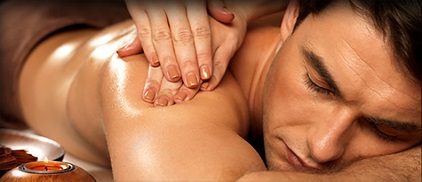
Massage Therapy
Massage therapists are ready to help you relax at Urban Day Spa in Houston and Urban Day Spa in Spring, Texas! Experience relaxation and stress-relief while receiving a Swedish Massage, Hot Stone Massage, Pre-Natal Massage, Sports Massage, Deep Tissue Massage, Couple’s Massage, or any spa package that includes massage therapy as part of the suite of services.

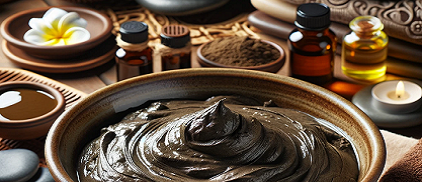
Body Treatments
Come visit us at Urban Day Spa and experience the youthful effects of our specialized spa therapies provided by fully trained, talented professionals!
Enjoying the relaxation of our Spring, Texas massage therapy, and Houston, Texas massage therapy, skin treatment, and body treatment centers can help you nurture and display your inner and outer glow!

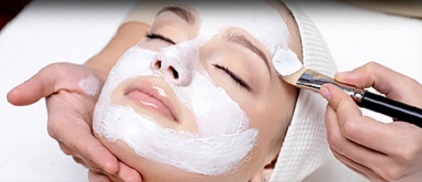
Facial Therapy
Facial therapies at Urban Day Spa can help you nurture and display your inner and outer glow! Experience the Lavender Paraffin Facial,Aqua Stones Facial,Classic Facial, Petite Facial, or any of our spa packages that include the luxurious, affordable facials for your ultimate day spa experience at either location in Spring, Texas, or at Urban Day Spa in Houston!