
Is Spa Good for Blood Circulation
Is Spa Good for Blood Circulation
When most people think of a spa visit, they picture candles, calming music, and a chance to unwind. But the benefits of spa treatments run considerably deeper than relaxation alone. One of the most well-supported physiological effects of spa therapy is its positive influence on blood circulation — a foundational aspect of cardiovascular health that affects everything from energy levels and skin quality to organ function and recovery from injury.
The short answer is yes: a wide body of peer-reviewed medical research confirms that several core spa treatments — including massage therapy, hydrotherapy, and heat-based treatments like saunas and steam rooms — can meaningfully improve blood circulation. Here is what the science says.
Why Blood Circulation Matters
The circulatory system is responsible for delivering oxygen and nutrients to every cell in the body while simultaneously removing waste products like carbon dioxide. When circulation is sluggish or impaired, the downstream effects are wide-ranging: fatigue, muscle aches, swollen extremities, poor skin tone, slower wound healing, and elevated cardiovascular risk. Poor circulation is associated with conditions including peripheral artery disease (PAD), hypertension, deep vein thrombosis, and chronic venous insufficiency.
Improving circulation through lifestyle habits — movement, hydration, nutrition, stress reduction, and therapeutic treatments — is a recognized strategy in both conventional and integrative medicine. Spa therapies, it turns out, address several of these pathways simultaneously.
Massage Therapy: Increasing Blood Flow at the Tissue Level
Massage is among the most studied spa treatments in clinical literature. The mechanical pressure applied during massage physically moves blood through congested vessels and capillary beds, while stimulating the nervous system response that promotes vasodilation — the widening of blood vessels.
A widely cited 2012 study published in Science Translational Medicine by Crane et al. found that massage therapy increased blood flow and reduced post-exercise muscle inflammation. The researchers concluded that massage helped attenuate inflammatory signaling following exercise-induced muscle damage, pointing to a direct circulatory and cellular mechanism.
“Massage therapy is a well-recognized non-invasive technique that can significantly boost blood circulation, leading to multiple health benefits.” — Crane et al., Science Translational Medicine, 2012 (doi: 10.1126/scitranslmed.3002882)
A separate study by Buttagat et al. (2011), published in the Journal of Bodywork and Movement Therapies, found that traditional Thai massage increased blood flow and skin temperature in participants, indicating improved peripheral circulation. And research by Hernandez-Reif et al. (2004), also in the Journal of Bodywork and Movement Therapies, demonstrated that massage reduced blood pressure and pulse rate in women with hypertension — evidence that the circulatory effects of massage extend to systemic cardiovascular function, not just local tissue.
A 2018 study examining facial massage found improved blood flow after just five minutes of treatment on the massaged area, and five weeks of consistent massage improved vascular dilation response — the ability of blood vessels to widen appropriately in response to stimulation.
Sauna Therapy: Exercise-Like Effects on the Cardiovascular System
Heat-based spa treatments, particularly sauna bathing, have attracted significant attention from cardiovascular researchers in recent years. The physiological response to sauna heat — elevated heart rate, vasodilation, and increased cardiac output — bears a striking resemblance to the response triggered by moderate aerobic exercise.
A landmark 2015 study published in JAMA Internal Medicine (Laukkanen et al., doi: 10.1001/jamainternmed.2014.8187), which followed a prospective cohort of Finnish men, found that the frequency of sauna bathing was inversely associated with fatal cardiovascular events. Men who used the sauna four to seven times per week had significantly lower rates of cardiovascular mortality than those who used it once a week.
The cardiovascular implications were subsequently reviewed in a 2018 analysis published in Mayo Clinic Proceedings (Laukkanen, Laukkanen, and Kunutsor; doi: 10.1016/j.mayocp.2018.04.008), one of the most respected clinical journals in the United States. That review concluded that regular sauna bathing is associated with reduced risk of hypertension, stroke, and cardiovascular disease, with effects linked to its blood pressure-reducing and circulatory properties.
“The beneficial effects of sauna bathing on adverse outcomes have been linked to its blood pressure-reducing, anti-inflammatory, antioxidant, cytoprotective, and stress-reducing properties and its synergistic effect on neuroendocrine, circulatory, cardiovascular, and immune function.” — Laukkanen et al., Mayo Clinic Proceedings, 2023 (doi: 10.1016/j.mayocp.2023.01.008)
A 2025 review published in Frontiers in Cardiovascular Medicine by researchers at Washington University School of Medicine confirmed that passive heat therapy through sauna bathing promotes vasodilation and affects arterial stiffness, wall thickness, and blood pressure. The review noted that whole-body heating increases skin blood flow, while local heating enhances muscle blood flow — mechanisms relevant to different spa treatment formats.
Hydrotherapy: Water Temperature and Vascular Response
Hydrotherapy — the therapeutic use of water at varying temperatures and pressures — is a cornerstone of many spa programs and has a particularly robust evidence base related to circulation and blood pressure.
A 2023 mini-review published in the International Journal of Biometeorology (Moini Jazani et al., doi: 10.1007/s00484-023-02512-5), which searched PubMed, Web of Science, Scopus, and ScienceDirect databases, examined the effects of hydrotherapy, balneotherapy, and spa therapy on blood pressure across multiple clinical studies. The reviewers concluded that hydrotherapy methods may improve blood pressure through several mechanisms.
“Blood circulation is smoothed by the warmth of the water. This improvement may be achieved by regulating heart rate, releasing hormones that control blood pressure, or regulating the activity of baroreceptors or chemoreceptors.” — Moini Jazani et al., International Journal of Biometeorology, 2023 (doi: 10.1007/s00484-023-02512-5)
Balneotherapy — therapeutic bathing in mineral waters, a service offered at many European-style spas — works through a combination of heat, hydrostatic pressure, and the chemical composition of mineral-rich water. A 2024 PMC study examining post-COVID patients receiving spa therapy found that the combination of these three factors can induce muscle relaxation, improve blood circulation, and reduce inflammation. The study, published in a peer-reviewed journal indexed on PubMed, enrolled 159 participants and found significant improvements in physical and emotional functioning.
The hydrostatic pressure of water immersion itself plays a role in circulation: when the body is submerged, water pressure gently compresses surface tissues, encouraging venous blood return toward the heart and reducing peripheral pooling — a mechanism relevant to people with varicose veins or venous insufficiency.
Steam Rooms and Infrared Treatments
Steam rooms operate on similar principles to saunas, using moist heat to raise core body temperature and trigger vasodilation. The warm, humid environment relaxes the smooth muscle tissue within blood vessel walls, allowing vessels to expand and blood to flow with less resistance.
Infrared sauna treatments, which use infrared light to heat the body directly rather than heating the surrounding air, have also been studied for cardiovascular applications. Research cited in the Canadian Family Physician (Beever, 2009) summarized published evidence on far-infrared saunas and cardiovascular risk factors, finding support for their role in lowering blood pressure and improving arterial compliance. A 2018 study in the European Journal of Preventive Cardiology (Lee et al.) found that sauna exposure led to improved arterial compliance — a measure of how flexible and healthy blood vessels are — in a non-randomized experimental study.
A 2025 systematic review and meta-analysis published in PMC, analyzing 20 randomized controlled trials (RCTs) covering hot water bathing, saunas, hot yoga, and local heating interventions of at least one week in duration, found consistent evidence of beneficial effects on cardiometabolic and vascular health from passive heating practices.
What Happens in the Body During a Spa Treatment?
The circulatory benefits of spa treatments trace back to several physiological mechanisms operating simultaneously:
Vasodilation: Heat and massage both trigger the relaxation of smooth muscle in vessel walls, widening arteries and capillaries. This allows more blood to flow through with less pressure, which is beneficial for hypertension and general cardiovascular load.
Increased cardiac output: During sauna use, heart rate rises and cardiac output increases to help cool the body. This is functionally similar to a moderate cardiovascular workout and produces many of the same short-term and, with regular use, long-term adaptations.
Nitric oxide production: Heat stress activates endothelial nitric oxide synthase (eNOS), an enzyme that produces nitric oxide — a molecule that signals blood vessels to relax and dilate. This is one of the primary molecular pathways through which heat therapy improves vascular function.
Lymphatic stimulation: Massage and body treatments that encourage lymphatic drainage support the movement of fluid through the lymphatic system, reducing tissue congestion and supporting immune function alongside circulation.
Reduced arterial stiffness: Regular passive heat therapy has been shown in multiple studies to reduce arterial stiffness — a marker of vascular aging and cardiovascular risk — through its effects on vessel wall elasticity.
Who Can Benefit Most?
Spa treatments for circulation are broadly beneficial, but research suggests particular advantages for certain groups:
People with hypertension: Multiple studies show hydrotherapy and sauna use can produce temporary and, with regular use, sustained reductions in blood pressure. This makes spa therapy a useful adjunct — though never a replacement — to medical management of high blood pressure.
People with peripheral artery disease: A 2025 review in Frontiers in Cardiovascular Medicine found that thermotherapy reduces blood pressure, lowers circulating endothelin-1 (a potent vasoconstrictor), and enhances leg blood flow in patients with symptomatic peripheral artery disease.
People who cannot exercise: The Mayo Clinic Proceedings review (2023) noted that for people unable to meet physical activity guidelines due to physical limitations, regular sauna use may serve as an alternative strategy to mitigate cardiovascular and circulatory risks.
People with post-COVID symptoms: The 2024 PMC study on spa therapy and post-COVID patients found significant improvements in circulation-related outcomes including chronic fatigue and physical limitation, supporting spa therapy as a complementary approach for long-COVID management.
Important Cautions
While the evidence for spa treatments and circulation is strong, a few important considerations apply:
Heat therapy is not appropriate for everyone. People with certain cardiovascular conditions — including uncontrolled heart failure, unstable angina, or recent myocardial infarction — should consult a physician before using saunas or steam rooms. The Frontiers in Cardiovascular Medicine review (2025) noted that heat therapy practices are not currently FDA-approved treatments, and that the scientific rigor of existing research, while promising, continues to develop.
Hydration is essential during and after any heat-based spa treatment. Loss of fluid through sweating can affect blood volume and, in turn, circulatory efficiency. Drinking water before and after treatments is recommended.
Spa therapy is a complement to, not a substitute for, prescribed medical treatment. Anyone managing a diagnosed cardiovascular condition should continue their prescribed therapy and discuss integrative approaches with their healthcare provider.
The Bottom Line
The evidence is clear: spa treatments are good for blood circulation. Massage therapy increases local and systemic blood flow, hydrotherapy uses water pressure and temperature to support vascular function and blood pressure regulation, and heat-based treatments like saunas produce cardiovascular adaptations that rival moderate exercise. Research published in some of the world’s leading medical journals — including JAMA Internal Medicine, Mayo Clinic Proceedings, Frontiers in Cardiovascular Medicine, and the International Journal of Biometeorology — supports these conclusions.
A regular spa routine is not merely an indulgence. For many people, it represents a scientifically supported investment in circulatory health, cardiovascular resilience, and long-term well-being.
References
Crane JD, et al. (2012). Massage therapy attenuates inflammatory signaling after exercise-induced muscle damage. Science Translational Medicine, 4(119), 119ra13. doi: 10.1126/scitranslmed.3002882
Hernandez-Reif M, et al. (2004). High blood pressure and associated symptoms were reduced by massage therapy. Journal of Bodywork and Movement Therapies, 4(1), 31-38.
Laukkanen T, Khan H, Zaccardi F, Laukkanen JA. (2015). Association between sauna bathing and fatal cardiovascular and all-cause mortality events. JAMA Internal Medicine, 175(4), 542-548. doi: 10.1001/jamainternmed.2014.8187
Laukkanen JA, Laukkanen T, Kunutsor SK. (2018). Cardiovascular and other health benefits of sauna bathing: a review of the evidence. Mayo Clinic Proceedings, 93(8), 1111-1121. doi: 10.1016/j.mayocp.2018.04.008
Laukkanen JA, et al. (2023). Does the combination of Finnish sauna bathing and other lifestyle factors confer additional health benefits? Mayo Clinic Proceedings. doi: 10.1016/j.mayocp.2023.01.008
Moini Jazani A, et al. (2023). Effect of hydrotherapy, balneotherapy, and spa therapy on blood pressure: a mini-review. International Journal of Biometeorology, 67(9), 1387-1396. doi: 10.1007/s00484-023-02512-5
Sastriques-Dunlop S, Elizondo-Benedetto S, Zayed MA. (2025). Sauna use as a novel management approach for cardiovascular health and peripheral arterial disease. Frontiers in Cardiovascular Medicine, 12:1537194. doi: 10.3389/fcvm.2025.1537194
PMC / MDPI. (2024). Impact of spa therapy on symptoms and quality of life in post-COVID-19 patients with chronic conditions. PMC11396595.
Lee E, Laukkanen T, Kunutsor SK. (2018). Sauna exposure leads to improved arterial compliance: findings from a non-randomised experimental study. European Journal of Preventive Cardiology, 25(2), 130-138.
Beever R. (2009). Far-infrared saunas for treatment of cardiovascular risk factors: summary of published evidence. Canadian Family Physician, 55, 691-696.
Two Spa Locations Near You
Urban Day Spa in Spring on Louetta Rd
6396 Louetta Rd | 832.698.1544
Urban Day Spa in Houston (Copperfield)
7014 Highway 6 N. Ste D | 281.345.7070

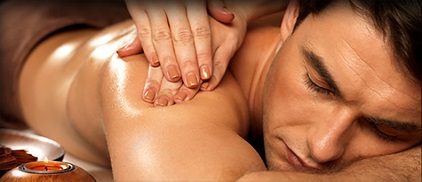
Massage Therapy
Massage therapists are ready to help you relax at Urban Day Spa in Houston and Urban Day Spa in Spring, Texas! Experience relaxation and stress-relief while receiving a Swedish Massage, Hot Stone Massage, Pre-Natal Massage, Sports Massage, Deep Tissue Massage, Couple’s Massage, or any spa package that includes massage therapy as part of the suite of services.

Body Treatments
Come visit us at Urban Day Spa and experience the youthful effects of our specialized spa therapies provided by fully trained, talented professionals!
Enjoying the relaxation of our Spring, Texas massage therapy, and Houston, Texas massage therapy, skin treatment, and body treatment centers can help you nurture and display your inner and outer glow!


Facial Therapy
Facial therapies at Urban Day Spa can help you nurture and display your inner and outer glow! Experience the Lavender Paraffin Facial,Aqua Stones Facial,Classic Facial, Petite Facial, or any of our spa packages that include the luxurious, affordable facials for your ultimate day spa experience at either location in Spring, Texas, or at Urban Day Spa in Houston!