Why Do People Go to Day Spas
Why Do People Go to Day Spas
Americans made 181 million visits to spas in 2022 — and that number has been climbing steadily ever since, with the U.S. spa industry surpassing $23 billion in market size in 2023. Day spas alone account for more than 78% of all spa establishments nationwide. These are not vanity statistics. They represent a significant, sustained shift in the way people think about their health, their time, and themselves.
So what is driving this? Why do so many people carve time out of packed schedules to visit a day spa? The answer turns out to be layered. People come through our doors for different reasons — sometimes a single pressing need, sometimes a convergence of several. According to the International Spa Association’s 2025 Consumer Snapshot Study, which surveyed 1,000 U.S. adults between December 2024 and January 2025, 85% of spa-goers view spa visits as a form of self-care, and nearly two-thirds identify stress reduction as a primary motivating factor.
But that is only the beginning of the story. Here is a closer look at the full range of reasons people choose to visit a day spa — and why those reasons matter.
To Find Real Relief from Stress
Stress relief is the single most cited reason people visit day spas, and it is backed by substantial clinical evidence. Chronic stress activates the body’s hypothalamic-pituitary-adrenal axis, flooding the system with cortisol — a hormone that, at chronically elevated levels, contributes to anxiety, weight gain, disrupted sleep, hypertension, and compromised immune function. The modern environment is efficient at producing this state: back-to-back work demands, financial pressure, information overload from constant digital connectivity, and the erosion of boundaries between professional and personal life have made chronic stress nearly universal.
A day spa provides something rare: an environment deliberately engineered for the opposite of stress. Controlled lighting, ambient sound, therapeutic scent, and unhurried attention signal the nervous system to shift out of fight-or-flight mode. The treatments themselves compound this effect. Research published in the International Journal of Neuroscience by Field and colleagues documented an average 31% reduction in cortisol following massage therapy, alongside significant increases in serotonin (28%) and dopamine (31%) — the neurotransmitters most directly responsible for mood stabilization and a sense of well-being. The Touch Research Institute at the University of Miami, which produced this body of work over decades, confirmed these results across dozens of study populations.
People do not simply want to feel less stressed at the end of a session. They want to walk back into their lives with a physiological reset — and research confirms that is exactly what a quality spa treatment delivers.
To Manage Pain and Physical Tension
Chronic pain is one of the leading reasons people seek out spa treatments beyond simple relaxation. Desk workers accumulate tension in the neck, shoulders, and lower back from prolonged static postures. Athletes carry muscle fatigue and microtrauma from training. People managing conditions such as fibromyalgia, osteoarthritis, and chronic low back pain often find limited relief from conventional options alone and turn to massage and hydrotherapy as evidence-based complements to their care.
The clinical literature supports this. A 2024 systematic review published in the Journal of Clinical Medicine found meaningful improvements in functional state and health perception in chronic low back pain patients receiving balneotherapy. A separate systematic review and meta-analysis in Rheumatology International confirmed quality-of-life improvements for patients with knee osteoarthritis who received regular spa therapy. The mechanism is well-understood: massage increases local circulation, reduces inflammation, loosens adherent connective tissue, and stimulates the release of endorphins — the body’s endogenous pain-management system.
For many visitors, a single well-executed therapeutic massage achieves more effective, longer-lasting relief than any over-the-counter remedy. This is not luxury — it is practical pain management.
To Invest in Skin Health
Skin care is a primary motivation for a significant portion of spa visitors, and the treatments available at a professional day spa go considerably further than what at-home routines can achieve. According to a 2023 International Spa Association survey, 93% of U.S. spa establishments offer facials — the highest service availability of any treatment category. That figure reflects real consumer demand.
Professional facial treatments address the skin at a cellular level. Exfoliation removes the accumulation of dead skin cells that dulls complexion and impedes product absorption, stimulating the turnover of fresh cells and supporting collagen production. Hydration treatments using ingredients such as hyaluronic acid restore the skin barrier from the inside out. Steam-based therapies open pores and improve the absorption of active ingredients. For those managing inflammatory skin conditions — including acne, psoriasis, and rosacea — professionally administered treatments provide targeted relief that home care cannot replicate.
Importantly, skin health is inseparable from overall health. Chronic stress accelerates skin aging and worsens inflammatory skin conditions by elevating cortisol and systemic inflammation. Spa visits address this at the root: by reducing stress hormones and improving circulation, they create internal conditions that support healthy skin from the inside as well as through direct topical treatment.
To Sleep Better
Millions of Americans struggle with sleep. The Centers for Disease Control and Prevention estimates that roughly one in three adults does not get sufficient sleep on a regular basis — a pattern linked to increased risk of cardiovascular disease, diabetes, obesity, and mental health disorders. Many people arrive at a day spa carrying the weight of that sleep debt, and leave with measurably better conditions for rest.
The pathway from spa treatment to better sleep is well-documented. The reduction in cortisol produced by massage and hydrotherapy creates neurological conditions more favorable to sleep onset. The physical release of muscle tension removes one of the most common barriers to staying asleep. Research published in Brain and Apparatus Communications (2023) provided both questionnaire and actigraphy evidence that spa therapy improves sleep quality — not just duration, but the depth and restoredness of sleep. Additionally, the National Institutes of Health has noted that certain spa therapies enhance melatonin production, the hormone that governs the sleep-wake cycle.
For anyone who has spent the first post-massage hour in a state of deep, effortless relaxation, none of this is surprising. The body knows how to rest — it simply needs the right conditions.
To Support Mental Health
The awareness that mental health is health — real, measurable, and worthy of active investment — has transformed why people seek out spa visits. Spafinder reported in September 2024 that with 23% of Americans managing a diagnosed mental health disorder, people are increasingly looking beyond medication and therapy sessions toward complementary approaches that support emotional regulation and psychological well-being.
Day spa treatments are among the most accessible and evidence-supported complementary tools available. The neurochemical changes produced by massage — elevated serotonin and dopamine, reduced cortisol — mirror, in some respects, the biochemical targets of pharmacological treatments for anxiety and depression. A 2024 prospective observational study involving 144 participants across three Italian spa facilities measured psychological outcomes using the validated Depression Anxiety Stress Scales-21 (DASS-21) and found significant improvements across all three dimensions after a two-week spa therapy cycle.
The spa environment itself contributes meaningfully to mental health outcomes. Mindfulness — the deliberate practice of present-moment awareness — has its own robust clinical evidence base for reducing anxiety, improving emotional regulation, and enhancing cognitive performance. The spa setting, by design, removes the stimuli that prevent mindfulness: screens, noise, competing demands, time pressure. Many visitors describe a quality of mental quiet during and after treatment that is difficult to achieve anywhere else in their daily lives.
To Practice Intentional Self-Care
The ISPA 2025 Consumer Snapshot confirmed what many in the wellness industry have observed anecdotally: 85% of spa-goers explicitly frame their visit as an act of self-care. This is a meaningful shift from a decade ago, when spa visits were commonly categorized as indulgence. Today, self-care is understood — including by a large and growing body of psychological research — as a health behavior, not a luxury.
Self-care is the recognition that a person cannot sustain high performance, emotional availability, or physical health over the long term without investing in their own restoration. Studies consistently show that individuals who prioritize time for recovery report higher levels of self-worth, body satisfaction, and resilience in the face of stress. The spa visit is one of the few environments where attention is directed entirely inward — where someone else is responsible for the outcome, and the only requirement of the guest is to receive.
For many people, booking a spa appointment is also an act of permission — giving themselves explicit authorization to prioritize their own needs, sometimes for the first time in months. That psychological significance should not be underestimated.
To Disconnect from the Digital World
Research from various digital wellness organizations suggests that the average adult spends approximately 11 hours per day engaged with some form of screen. Constant digital connectivity maintains the nervous system in a state of low-grade vigilance — the same neurological pathway that stress activates. Notifications, news cycles, social comparison, and the perpetual availability of work communication erode the brain’s capacity for genuine rest.
A day spa is one of the few socially sanctioned spaces where putting down the phone is not only acceptable but expected. The quiet, the sensory focus of treatment, and the absence of screens create a genuine interruption in the overstimulation cycle. Many spa-goers describe this aspect of the experience as among its greatest gifts — not just the physical treatment, but the quality of mental silence that surrounds it. In an attention economy designed to capture and hold focus, the act of being unreachable for a few hours carries genuine therapeutic value.
To Celebrate Special Occasions and Milestones
Day spas are among the most popular settings for celebrating birthdays, anniversaries, bachelorette events, bridal parties, graduations, and milestone achievements. The combination of beauty services, relaxation, and a memorable shared experience makes the spa an ideal venue for marking moments that matter. Spas in North America have responded to this demand by developing curated packages for groups, couples, and themed occasions — a segment that has grown substantially alongside the broader self-care movement.
This motivation is not purely social. Research on positive experience and memory formation suggests that shared experiential events — as distinct from material gifts — produce stronger, longer-lasting positive associations and a deeper sense of connection among participants. A spa day shared with people who matter creates a category of memory that a dinner reservation or a purchased gift rarely matches.
To Connect with Others
Loneliness has been identified by the U.S. Surgeon General and the World Health Organization as a public health concern of significant scale. Social connection is not a nicety — it is a biological need with measurable effects on immune function, cardiovascular health, and longevity. Day spas, by offering a calm and unhurried environment, create conditions that facilitate genuine connection in a way that many social settings do not.
Couples use spa days to reconnect without the agenda-driven pace of ordinary time together. Parents and adult children use them to slow down and be present with each other. Friends who see each other primarily in group settings find that a shared spa experience creates space for more personal conversation. The relaxed, device-free environment of a spa removes the friction that prevents meaningful interaction in everyday life, making connection more available and more natural.
To Support Immune Function and Overall Physical Health
A growing number of spa-goers arrive with health-conscious intentions that extend well beyond relaxation. Awareness of the connection between chronic stress, immune suppression, and disease has moved many people to treat spa visits as a proactive health maintenance strategy rather than a reactive indulgence.
The clinical evidence supports this. Research from Cedars-Sinai Medical Center, led by Dr. Mark Rapaport, MD, demonstrated that even a single 45-minute Swedish massage significantly altered immune and endocrine responses, including increases in lymphocytes — the white blood cells responsible for immune defense. Multiple studies reviewed in Complementary Therapies in Clinical Practice found that moderate-pressure massage increased natural killer cell counts and natural killer cell activity — the immune cells responsible for identifying and destroying viral and cancerous cells. Sauna and steam therapies improve cardiovascular function and support the elimination of metabolic waste products through sweat.
As awareness of preventive healthcare grows, more people are incorporating spa visits into a broader wellness strategy alongside nutrition, exercise, and sleep optimization — treating restoration as a pillar of health rather than an afterthought.
Who Is Going, and How That Is Changing
The demographic composition of day spa visitors has shifted considerably. While adults between 35 and 54 remain the largest age group, accounting for 48% of spa visits in the United States, millennials now represent 38% of all spa visits and are the fastest-growing segment. Women continue to account for approximately 66% of visits globally, though the male spa-going demographic is expanding: the ISPA 2025 Consumer Study found that male respondents expressed interest in reward programs, hot tubs, steam rooms, and fitness integration — signals that spa operators are actively responding to with expanded and more accessible service offerings.
Younger spa-goers also show a notably higher openness to technology-assisted treatments — a finding from ISPA’s 2025 study that reflects a broader trend of wellness and technology converging. The global spa market, estimated at $74.3 billion in 2025, is projected to reach $243.9 billion by 2035, according to Global Market Insights. That trajectory is driven not by novelty, but by a fundamental realignment of how people prioritize their health and recovery.
The Real Answer
People go to day spas for many reasons — and rarely just one. A person who books a facial for skin health walks out feeling less anxious. Someone who comes in for a stress-relieving massage leaves with less pain in their shoulders than they have had in months. A couple who books a shared treatment for an anniversary leaves more connected to each other than they have been in some time.
What the science confirms, and what Urban Day Spa has always understood, is that the reasons people come are deeply human: the need to restore, to be cared for, to stop managing everything for a few hours, to inhabit their bodies rather than just run them. Whether a guest arrives with a specific therapeutic goal or simply a sense that they need something they cannot quite name, the outcome is reliable — and it is backed by a growing body of evidence that treats restoration not as an indulgence, but as a necessity.
Sources
International Spa Association (ISPA). (2025). Self-Care, Stress Relief and Tech Appeal: ISPA’s 2025 Consumer Study Reveals What Drives Spa Visits. experienceispa.com
Statista / americanspa.com. (2023). Number of spa visits in the United States from 2008 to 2022. statista.com
media.market.us. (2026). Spa Industry Statistics and Facts. media.market.us
Global Market Insights. (2025). Spa Market Size, Share & Industry Forecast 2026–2035. gminsights.com
Field, T., Hernandez-Reif, M., Diego, M., Schanberg, S., & Kuhn, C. (2005). Cortisol decreases and serotonin and dopamine increase following massage therapy. International Journal of Neuroscience, 115(10), 1397–1413.
Terzic Markovic, D. et al. (2024). Novel insight into the association between balneotherapy and functional state and health perception in chronic low back pain. Journal of Clinical Medicine, 13(17), 5248.
Antonelli, M., Donelli, D., & Fioravanti, A. (2018). Effects of balneotherapy and spa therapy on quality of life of patients with knee osteoarthritis: A systematic review and meta-analysis. Rheumatology International, 38(10), 1807–1824.
Yao, S., Wang, J., & Lei, X. (2023). Spa therapy improves sleep quality: Evidence from questionnaire and actigraphy. Brain and Apparatus Communications Journal of Bacomics.
Maccarone, M.C. et al. (2024). Spa therapy efficacy in mental health and sleep quality disorders in patients with a history of COVID-19. MDPI Diseases, 12(10), 232. PMC11507196.
Rapaport, M.H. (Cedars-Sinai Medical Center). Research on immune and endocrine response to Swedish massage. Cited in MASSAGE Magazine (2025). massagemag.com
Field, T. (2016). Massage therapy research review. Complementary Therapies in Clinical Practice, 24, 19–31. PMC5467308.
Centers for Disease Control and Prevention (CDC). Sleep and Sleep Disorders. cdc.gov/sleep
Spafinder. (2024). The Mental Health Benefits of Regular Spa Visits. spafinder.com
Coherent Market Insights. (2025). Spa Market Size, Opportunities & YoY Growth Rate. coherentmarketinsights.com
Two Spa Locations Near You
Urban Day Spa in Spring on Louetta Rd
6396 Louetta Rd | 832.698.1544
Urban Day Spa in Houston (Copperfield)
7014 Highway 6 N. Ste D | 281.345.7070

Massage Therapy
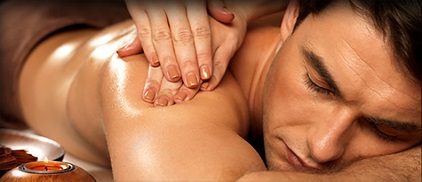
Massage therapists are ready to help you relax at Urban Day Spa in Houston and Urban Day Spa in Spring, Texas! Experience relaxation and stress-relief while receiving a Swedish Massage, Hot Stone Massage, Pre-Natal Massage, Sports Massage, Deep Tissue Massage, Couple’s Massage, or any spa package that includes massage therapy as part of the suite of services.

Body Treatments
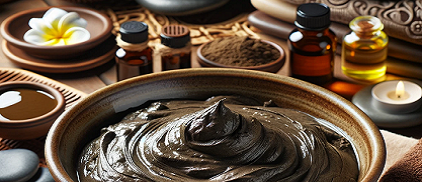
Come visit us at Urban Day Spa and experience the youthful effects of our specialized spa therapies provided by fully trained, talented professionals!
Enjoying the relaxation of our Spring, Texas massage therapy, and Houston, Texas massage therapy, skin treatment, and body treatment centers can help you nurture and display your inner and outer glow!

Facial Therapy
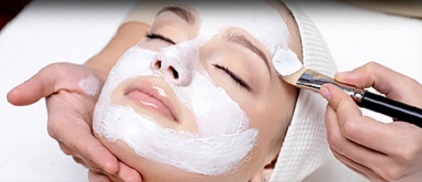
Facial therapies at Urban Day Spa can help you nurture and display your inner and outer glow! Experience the Lavender Paraffin Facial,Aqua Stones Facial,Classic Facial, Petite Facial, or any of our spa packages that include the luxurious, affordable facials for your ultimate day spa experience at either location in Spring, Texas, or at Urban Day Spa in Houston!