What Is the Point of a Spa Day
What Is the Point of a Spa Day
At first glance, a spa day can seem like a treat you schedule for a birthday or a special occasion — something indulgent, perhaps even unnecessary. But that framing undersells what actually happens to your body and mind when you spend a few hours in a professionally designed environment built for restoration. The science behind spa treatments has grown considerably over the past two decades, and what researchers are finding is consistent: time spent in a spa setting produces measurable, positive changes in your physiology, your neurochemistry, and your overall sense of well-being. So what is the point of a spa day? The short answer is that it is one of the most efficient ways to reset your nervous system, support your skin, and give your body the conditions it needs to recover from the accumulated toll of daily life.
The Stress Problem — and Why It Needs a Physical Solution
Chronic stress is not just a feeling. It is a biochemical state. When you are stressed, your adrenal glands release cortisol, a hormone that evolved to help humans respond to immediate physical threats. In short bursts, cortisol is useful — it sharpens focus, raises blood pressure, and mobilizes energy. The problem is that modern life produces a near-constant stream of low-grade stressors: deadlines, notifications, traffic, financial pressure, and interpersonal friction. Your body cannot distinguish between a deadline and a predator, so it keeps releasing cortisol at levels the body was never designed to sustain.
Persistently elevated cortisol has been linked to weight gain, high blood pressure, impaired immune function, disrupted sleep, anxiety, and depression. It is not an exaggeration to say that unmanaged stress is one of the primary drivers of chronic disease in the modern world. This is precisely why reducing cortisol is not a cosmetic goal — it is a health imperative.
Research published in the International Journal of Neuroscience by Dr. Tiffany Field and colleagues at the Touch Research Institute found that massage therapy produced an average cortisol decrease of 31% across a range of medical conditions and stressful experiences. The same body of research documented average increases of 28% in serotonin and 31% in dopamine — the neurotransmitters most associated with mood regulation, motivation, and a sense of well-being. (Field T, Hernandez-Reif M, Diego M, Schanberg S, Kuhn C. “Cortisol decreases and serotonin and dopamine increase following massage therapy.” International Journal of Neuroscience. 2005;115(10):1397–1413.)
A 2024 systematic review and meta-analysis published in the International Journal of Biometeorology, involving 765 participants, confirmed these findings at scale — showing significant short-term reductions in cortisol levels in both healthy individuals and those experiencing high levels of stress. (Antonelli M, Fasano F, Veronesi L, et al. International Journal of Biometeorology. 2024;68(10):1909–1922.) The evidence is not marginal or preliminary. It is consistent across dozens of independent studies.
What Massage Does to Your Nervous System
When you lie down for a massage, something specific and documented happens inside your body. The pressure and movement applied to soft tissue stimulates your parasympathetic nervous system — the branch of the autonomic nervous system responsible for what physiologists call the rest-and-digest response. This is the physiological opposite of the fight-or-flight state that stress activates.
As your parasympathetic system engages, heart rate slows, blood pressure drops, breathing deepens, and muscles release tension they may have been holding for days or weeks. Research published in the Journal of Alternative and Complementary Medicine found that participants who received a 45-minute massage experienced significant reductions in perceived stress levels compared to a control group. Another study in the same body of literature showed that massage reduced both systolic and diastolic blood pressure in hypertensive adults who received twice-weekly sessions over a month. (Hernandez-Reif M, Field T, Krasnegor J, Theakston H. “High blood pressure and associated symptoms were reduced by massage therapy.” Journal of Bodywork and Movement Therapies. 2000;4(1):31–38.)
Massage also triggers the release of oxytocin — sometimes called the bonding hormone — which promotes feelings of safety, trust, and emotional warmth. This is part of why people often feel a sense of quiet contentment after a massage that goes beyond simple relaxation. The body has been chemically recalibrated.
The Sleep Connection
Poor sleep and chronic stress form a feedback loop: stress makes it harder to sleep, and sleep deprivation raises cortisol. A spa day can interrupt that cycle. A 2024 study published in Frontiers in Public Health found that thermal water immersion at temperatures of 32 to 36 degrees Celsius influenced body temperature in a way that facilitated both the initiation and maintenance of sleep, through peripheral vasodilation that mimics the natural drop in core body temperature the body uses to signal that it is time to rest. (Castelli L, et al. “Revitalizing your sleep: the impact of daytime physical activity and balneotherapy during a spa stay.” Frontiers in Public Health. 2024;12:1339689.)
A 2022 systematic review of 21 studies on spa therapy and sleep found that 16 of those studies — more than three quarters — reported improvements in self-perceived sleep quality following treatment. The mechanism involves both the direct physiological effects of warmth and the reduction of the anxiety and elevated cortisol that disrupt sleep architecture. People who sleep poorly are often caught in a cycle they cannot break with willpower alone because the biological conditions for sleep are being undermined by sustained stress hormones. Spa therapy addresses the root cause rather than the symptom.
What a Facial Actually Does for Your Skin
A professionally performed facial is not simply a cleaning exercise. It is a multi-step treatment that combines exfoliation, deep cleansing, targeted serums, massage, and steam to address what your daily skincare routine cannot reach.
The massage component of a facial has been the subject of growing scientific interest. Research published in PLOS One by Caberlotto and colleagues in 2017 found that mechanical facial massage may stimulate fibroblast activity — the cellular process involved in collagen synthesis. Collagen is the structural protein that keeps skin firm and elastic, and its production naturally declines with age. The physical pressure of massage appears to trigger what scientists call mechanotransduction: the conversion of a mechanical stimulus into a biochemical signal that prompts the skin to produce more structural proteins.
Facial massage also stimulates the lymphatic system. Unlike the circulatory system, which uses the heart as a pump, the lymphatic system relies on movement and manual stimulation to flow. Lymph vessels carry metabolic waste, excess fluid, and inflammatory byproducts away from tissue. When lymphatic drainage is sluggish — as it often is in people who are sedentary or stressed — fluid accumulates in facial tissue, creating puffiness and dullness. A systematic review of clinical research noted that enhanced lymph flow contributes to higher oxygen supply to skin cells, supporting collagen production and improving skin elasticity. A 2018 study cited in the literature demonstrated that consistent lymphatic massage reduced enzymatic markers of inflammation by up to 22% in subjects with mild chronic inflammation.
A 2025 randomized controlled trial published in the Journal of Cosmetic Dermatology compared the effects of different facial massage techniques over eight weeks and found statistically significant improvements in facial contour, muscle tone, and skin elasticity across all intervention groups. (Ahn et al. Journal of Cosmetic Dermatology. 2025.) The results reinforced that regular, skilled facial work produces visible, measurable changes in the skin — not just a temporary glow.
The Mental Health Case for Slowing Down
There is a dimension of spa therapy that is harder to quantify but equally important: the act of deliberately creating protected time for yourself. In a culture that treats busyness as a virtue and rest as laziness, the simple decision to spend a few hours doing nothing but receiving care is, for many people, genuinely unfamiliar. That unfamiliarity is itself a symptom of a broader problem.
Research published in BMC Psychiatry found that spa therapy significantly reduced symptoms of anxiety, depression, and stress when measured using validated psychological assessment scales. The study’s authors noted that the benefits extended beyond what could be explained by the physical treatments alone — the environment itself, including its sensory qualities of quiet, warmth, dim light, and calming scent, appeared to play a meaningful role in the therapeutic outcome. (Maccarone MC, et al. BMC Psychiatry. 2024;24:105.)
This is consistent with what is known about the nervous system’s response to sensory environments. Spaces designed to minimize threat signals — loud noises, harsh lighting, crowding, time pressure — allow the amygdala, the brain’s alarm center, to downregulate. When the threat-detection system quiets, the prefrontal cortex — the part of the brain responsible for perspective, creativity, and emotional regulation — can reassert itself. A spa day, in this sense, is not an escape from your life. It is a recalibration that makes you more capable of living it.
Circulation, Muscle Recovery, and Physical Restoration
Beyond the neurochemical effects, spa treatments produce tangible physical benefits for the body’s structural systems. Massage improves circulation by applying pressure that dilates blood vessels and increases blood flow to muscles and connective tissue. This delivers more oxygen and nutrients to cells while simultaneously clearing metabolic waste products such as lactic acid — the compound responsible for post-exercise soreness. A study in the Journal of Athletic Training demonstrated that massage reduced muscle soreness and improved performance in athletes, lending credibility to its use as a recovery tool for anyone whose body carries the ordinary wear of daily physical activity.
Heat-based therapies — including warm hydrotherapy, steam rooms, and heated treatment tables — compound these circulatory benefits. Warmth causes peripheral vasodilation, expanding blood vessels near the skin’s surface and drawing circulation outward. This not only feels profoundly relaxing but has been documented to reduce inflammation, ease joint stiffness, and accelerate tissue recovery. A 2024 study published in PMC found that during spa therapy cycles, blood circulation and tissue reoxygenation increased, anti-inflammatory actions were observed, and muscle-relaxant effects were documented alongside cortisol reduction. (Protano C, et al. PMC. 2024.)
Why Urban Day Spa?
At Urban Day Spa, every treatment is designed with the understanding that you are not simply purchasing a service — you are investing in a physiological reset. Our licensed massage therapists and wellness professionals bring both technical skill and genuine attentiveness to each session. Whether you are coming in for a therapeutic massage, a customized facial, or a full day of treatments, the environment and the care you receive are calibrated to give your nervous system, your skin, and your mind the conditions they need to actually rest and recover.
You do not need to be on the verge of burnout to benefit from a spa day. The research is clear that regular, preventive use of spa treatments — not just reactive use during a crisis — produces the strongest long-term outcomes. Cortisol management, sleep quality, skin health, and mood regulation all improve with consistency. A spa day is not a reward for surviving stress. It is part of how you prevent it from accumulating in the first place.
The point of a spa day, ultimately, is not pampering. It is maintenance. Your body works every day without asking for much in return. A few hours of intentional, skilled care — backed by decades of medical research — is a reasonable and intelligent way to keep it working well.
Book your next spa visit at urbandayspa.com
Sources
Field T, Hernandez-Reif M, Diego M, Schanberg S, Kuhn C. Cortisol decreases and serotonin and dopamine increase following massage therapy. International Journal of Neuroscience. 2005;115(10):1397–1413. https://pubmed.ncbi.nlm.nih.gov/16162447/
Antonelli M, Fasano F, Veronesi L, Donelli D, Vitale M, Pasquarella C. Balneotherapy and spa therapy on levels of cortisol as a stress biomarker: updated systematic review and meta-analysis. International Journal of Biometeorology. 2024;68(10):1909–1922. https://pubmed.ncbi.nlm.nih.gov/38884799/
Castelli L, Ciorciari AM, Galasso L, et al. Revitalizing your sleep: the impact of daytime physical activity and balneotherapy during a spa stay. Frontiers in Public Health. 2024;12:1339689. https://www.frontiersin.org/journals/public-health/articles/10.3389/fpubh.2024.1339689/full
Hernandez-Reif M, Field T, Krasnegor J, Theakston H. High blood pressure and associated symptoms were reduced by massage therapy. Journal of Bodywork and Movement Therapies. 2000;4(1):31–38.
Maccarone MC, et al. Spa therapy efficacy in mental health and sleep quality disorders in patients with a history of COVID-19: a comparative study. BMC Psychiatry. 2024;24:105. https://pmc.ncbi.nlm.nih.gov/articles/PMC11507196/
Caberlotto E, Ruiz L, Miller Z, Poletti M, Tadlock L. Effects of a skin-massaging device on the ex-vivo expression of human dermis proteins and in-vivo facial wrinkles. PLOS One. 2017. https://pmc.ncbi.nlm.nih.gov/articles/PMC5383004/
Ahn et al. Comparative Effects of Facial Roller and Gua Sha Massage on Facial Contour, Muscle Tone, and Skin Elasticity: Randomized Controlled Trial. Journal of Cosmetic Dermatology. 2025. https://onlinelibrary.wiley.com/doi/10.1111/jocd.70236
Field T. Massage therapy research review. Complementary Therapies in Clinical Practice. 2016;24:19–31. https://pmc.ncbi.nlm.nih.gov/articles/PMC5467308/
Two Spa Locations Near You
Urban Day Spa in Spring on Louetta Rd
6396 Louetta Rd | 832.698.1544
Urban Day Spa in Houston (Copperfield)
7014 Highway 6 N. Ste D | 281.345.7070

Massage Therapy
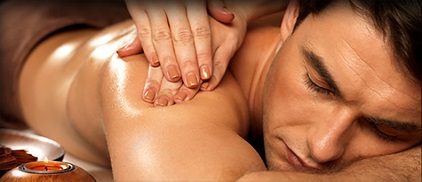
Massage therapists are ready to help you relax at Urban Day Spa in Houston and Urban Day Spa in Spring, Texas! Experience relaxation and stress-relief while receiving a Swedish Massage, Hot Stone Massage, Pre-Natal Massage, Sports Massage, Deep Tissue Massage, Couple’s Massage, or any spa package that includes massage therapy as part of the suite of services.

Body Treatments
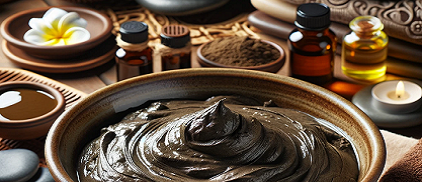
Come visit us at Urban Day Spa and experience the youthful effects of our specialized spa therapies provided by fully trained, talented professionals!
Enjoying the relaxation of our Spring, Texas massage therapy, and Houston, Texas massage therapy, skin treatment, and body treatment centers can help you nurture and display your inner and outer glow!

Facial Therapy
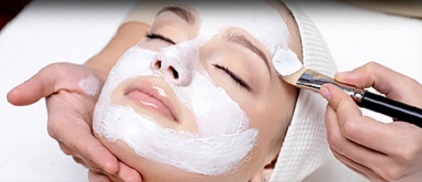
Facial therapies at Urban Day Spa can help you nurture and display your inner and outer glow! Experience the Lavender Paraffin Facial,Aqua Stones Facial,Classic Facial, Petite Facial, or any of our spa packages that include the luxurious, affordable facials for your ultimate day spa experience at either location in Spring, Texas, or at Urban Day Spa in Houston!