The Benefits of Regular Spa Visits for Mind and Body Wellness
The Benefits of Regular Spa Visits for Mind and Body Wellness
In a world defined by relentless pace, overfilled schedules, and the constant hum of digital noise, the human body accumulates stress in ways that go far beyond simple tiredness. Muscle tension, hormonal imbalance, disrupted sleep, and compromised immune function are just a few of the measurable consequences of a life lived without adequate recovery. Regular spa visits offer something that neither a good night of sleep nor a gym session alone can provide: a deliberate, multi-sensory environment designed to restore balance to both the body and the mind. At Urban Day Spa, that philosophy of restoration sits at the heart of everything we do. And increasingly, the science agrees.
Stress Reduction: More Than a Feeling
Stress is not merely psychological — it is physiological. When the body perceives stress, the hypothalamic-pituitary-adrenal (HPA) axis activates, flooding the bloodstream with cortisol and adrenaline. Over time, chronically elevated cortisol disrupts nearly every system in the body: it impairs immune function, raises blood pressure, disrupts sleep architecture, and contributes to weight gain and cardiovascular disease.
Spa therapies — particularly massage — have a measurable, documented effect on this hormonal cascade. A landmark review published in the International Journal of Neuroscience by Field, Hernandez-Reif, Diego, Schanberg, and Kuhn (2005) analyzed data across dozens of studies and found that massage therapy produced an average 31% decrease in cortisol levels. Serotonin — the body’s primary mood-stabilizing neurotransmitter — increased by an average of 28%, while dopamine, which governs motivation and reward, rose by an average of 31%. The authors concluded that these results collectively point to both the stress-alleviating and activating effects of massage therapy across a wide range of medical conditions and life circumstances.
A 2024 updated systematic review published in the International Journal of Biometeorology further confirmed these findings, reviewing 15 studies involving 684 subjects and emphasizing the potential of spa and balneotherapy to meaningfully reduce cortisol levels. Research cited in that review noted that during spa therapy cycles, blood circulation and tissue reoxygenation increase alongside measurable reductions in cortisol — a combination that produces both physical and psychological relief.
Importantly, consistency matters. As one analysis notes, “the key to maximizing the stress-relieving benefits of spa treatments is consistency.” A single visit produces measurable improvement, but the benefits compound over time — building a physiological baseline of resilience that makes the body better equipped to handle future stress.
Better Sleep, Better Everything
Sleep is the body’s primary repair mechanism — the period during which the brain consolidates memory, the immune system mounts its defenses, and muscles recover from the demands of daily life. Yet according to the Centers for Disease Control and Prevention (CDC), roughly one in three adults in the United States does not get enough sleep on a regular basis. Chronic sleep deprivation is linked to increased risk of diabetes, cardiovascular disease, obesity, and depression.
Spa treatments directly address two of the leading physical barriers to restful sleep: elevated stress hormones and chronic muscle tension. The reduction in cortisol produced by massage and hydrotherapy creates neurological conditions more favorable to sleep onset. Research published in the journal Brain and Apparatus Communications (2023) provided both questionnaire and actigraphy evidence that spa therapy measurably improves sleep quality — not just how long a person sleeps, but how deep and restorative that sleep is.
A 2024 study in the PMC-published research on spa therapy and mental health (Maccarone et al.) noted that during balneotherapy cycles, a reduction in sleep onset latency was observed alongside significant improvements in overall sleep quality. Treatments that ease muscle tension — such as hot stone massage, deep tissue work, and hydrotherapy — translate physical relaxation into neurological calm, allowing the mind to release its grip on the day.
Mental Health: A Medically Recognized Benefit
The connection between spa therapy and mental health outcomes has moved well beyond anecdote. A 2024 prospective observational study published in BMC Psychiatry examined 144 subjects across three Italian spa facilities undergoing two-week treatment cycles. Psychological well-being was measured using the Depression Anxiety Stress Scales (DASS-21), a validated clinical instrument. Participants showed significant reductions in anxiety, depression, and perceived stress scores — a result attributed to the synergistic effects of muscle relaxation, cortisol reduction, and improved circulation.
Bathing in geothermal or mineral water has shown particular promise for mental wellness. Research reviewed by Spa Executive noted that bathing in geothermal mineral water was associated with improvements in anxiety, depression, sleep quality, and stress — findings with implications for spa treatments as a complementary therapy for people managing mental health conditions.
The National Institutes of Health (NIH) has also highlighted that certain spa-based therapies, including reflexology and hot stone treatment, enhance melatonin production — the hormone responsible for regulating the sleep-wake cycle — which in turn supports cognitive function and emotional stability.
Strengthening the Immune System
The immune system and the stress response are intimately linked. Chronic stress suppresses immune function through several mechanisms, including the sustained elevation of cortisol — which directly inhibits the activity of natural killer (NK) cells, the body’s front-line defense against viral infections and cancer cells. Regular spa visits interrupt this suppression cycle.
Research published in the International Journal of Neuroscience found that moderate-pressure massage increased natural killer cell counts and natural killer cell activity — a finding replicated across multiple populations, including HIV-positive men, women with breast cancer, and preterm infants. The review noted that natural killer cells ward off viral cells, bacterial cells, and cancer cells, and that massage therapy is associated with enhancement of the immune system’s cytotoxic capacity.
A Cedars-Sinai Medical Center study led by Dr. Mark Rapaport, MD, chairman of the Department of Psychiatry and Behavioral Neurosciences, found that even a single 45-minute Swedish massage session significantly altered immune and endocrine responses compared to light touch. Rapaport noted that “people often seek out massage as part of a healthy lifestyle, but there hasn’t been much physiological proof of the body’s heightened immune response following massage until now.” Participants showed increases in lymphocytes — the white blood cells crucial to immune defense — alongside decreased cortisol and arginine vasopressin, a hormone linked to cortisol production.
Circulation, Pain Relief, and Physical Restoration
Hydrotherapy, thermal treatments, and massage all share a common mechanism: they improve blood circulation by dilating blood vessels, which increases the delivery of oxygen and nutrients to muscle tissue while accelerating the removal of metabolic waste products. This is why athletes have long used water-based therapies and massage as core components of recovery protocols.
For people managing chronic pain conditions — including osteoarthritis, fibromyalgia, and chronic low back pain — spa therapy offers documented relief. A 2024 cross-sectional study published in the Journal of Clinical Medicine found novel insights into balneotherapy’s effectiveness for chronic low back pain, linking it to improvements in both functional state and health perception. A separate systematic review and meta-analysis published in Rheumatology International confirmed significant improvements in quality of life for patients with knee osteoarthritis who received regular spa therapy.
Sauna and steam treatments produce cardiovascular effects comparable to moderate aerobic exercise — raising heart rate, expanding blood vessels, and promoting sweat-based elimination of certain metabolic byproducts. Infrared sauna sessions and hydrotherapy have also been studied for their role in reducing systemic inflammation, one of the root drivers of chronic disease.
Skin Health: The Body’s Largest Organ
The skin is not merely cosmetic — it is the body’s primary barrier against pathogens, a major thermoregulatory organ, and a window into internal health. Chronic stress accelerates skin aging, worsens inflammatory skin conditions such as psoriasis and eczema, and impairs the skin barrier function. Regular spa treatments address these concerns through exfoliation, hydration, steam-based pore clearing, and the application of therapeutic botanical and mineral ingredients.
Research published in Clinical Therapeutics found that spa therapy using sulfurous mineral water improved quality of life and significantly reduced psychological distress in patients with chronic plaque psoriasis — a condition with deep ties to both inflammation and stress. The mineral compounds present in many balneotherapy treatments have documented anti-inflammatory and antioxidant properties that support skin repair and reduce irritation.
The Mind-Body Connection: Why the Environment Matters
One often-underestimated dimension of spa wellness is the role of the environment itself. The spa setting — controlled lighting, ambient sound, therapeutic scent, and dedicated stillness — activates the parasympathetic nervous system, which governs the body’s rest-and-recovery state. Research from Isa Spa’s scientific review describes how therapies such as Swedish massage, deep tissue work, and aromatherapy stimulate the vagus nerve, a key regulator of parasympathetic activity. This vagal activation lowers heart rate, reduces blood pressure, and shifts the body away from the fight-or-flight response.
Aromatherapy enhances this response further. Essential oils such as lavender and chamomile have well-documented properties that reduce anxiety and promote relaxation through olfactory pathways directly connected to the limbic system — the brain’s emotional and memory center. Used in combination with massage or steam treatments, aromatherapy deepens the restorative effect of the overall session.
There is also a meaningful psychological benefit to the act of intentional self-care. Research consistently shows that individuals who prioritize time for restoration report higher levels of body satisfaction, self-worth, and emotional clarity. The spa environment naturally encourages mindfulness — the practice of being present — which has its own robust body of clinical evidence supporting reduced anxiety, improved emotional regulation, and enhanced cognitive performance.
Making Spa Visits a Regular Wellness Practice
The evidence is clear: occasional spa visits produce real, measurable benefits. But the body — like any biological system — responds best to consistency. Cortisol regulation, immune resilience, sleep quality, and emotional balance all improve cumulatively over time when spa therapy is woven into a regular wellness routine rather than treated as an occasional indulgence.
At Urban Day Spa, our services are designed with exactly this kind of ongoing wellness in mind. Whether your priority is stress relief, pain management, better sleep, skin health, or simply the restoration of mental clarity, our licensed therapists and treatment specialists are equipped to create a personalized approach that works with your schedule and your body’s needs.
Investing in regular spa visits is not a luxury in the traditional sense — it is a form of preventive healthcare. The costs of chronic stress, poor sleep, weakened immunity, and unmanaged pain are far higher, both personally and medically. A few hours of dedicated restoration each month can quietly, powerfully shift the trajectory of your health.
Your mind and body are in constant communication. When one suffers, the other follows. When one is cared for, the other responds. At Urban Day Spa, we believe in creating that space — unhurried, intentional, and grounded in the science of what it means to truly restore yourself.
Sources
Field, T., Hernandez-Reif, M., Diego, M., Schanberg, S., & Kuhn, C. (2005). Cortisol decreases and serotonin and dopamine increase following massage therapy. International Journal of Neuroscience, 115(10), 1397–1413. https://doi.org/10.1080/00207450590956459
Field, T. (2016). Massage therapy research review. Complementary Therapies in Clinical Practice, 24, 19–31. PMC5467308.
Antonelli, M., & Donelli, D. (2018). Effects of balneotherapy and spa therapy on levels of cortisol as a stress biomarker: A systematic review. International Journal of Biometeorology, 62(6), 913–924. https://doi.org/10.1007/s00484-018-1504-8
Antonelli, M. et al. (2024). Effects of balneotherapy and spa therapy on levels of cortisol as a stress biomarker (updated systematic review). International Journal of Biometeorology, 68(10). https://doi.org/10.1007/s00484-024-02721-6
Maccarone, M.C. et al. (2024). Spa therapy efficacy in mental health and sleep quality disorders in patients with a history of COVID-19. MDPI Diseases, 12(10), 232. PMC11507196.
Hernandez-Reif, M., Field, T., et al. (2004). Breast cancer patients have improved immune and neuroendocrine functions following massage therapy. Journal of Psychosomatic Research, 57(1), 45–52. PubMed: 15256294.
Terzic Markovic, D. et al. (2024). Novel insight into the association between balneotherapy and functional state and health perception in chronic low back pain. Journal of Clinical Medicine, 13(17), 5248. https://doi.org/10.3390/jcm13175248
Antonelli, M., Donelli, D., & Fioravanti, A. (2018). Effects of balneotherapy and spa therapy on quality of life of patients with knee osteoarthritis: A systematic review and meta-analysis. Rheumatology International, 38(10), 1807–1824.
Costantino, M., & Filippelli, A. (2014). Impact of spa therapy with sulphureous mineral water on quality of life and psychological distress in chronic plaque psoriasis. Clinical Therapeutics, 165(5), e277–e284.
Rapaport, M.H. (Cedars-Sinai Medical Center). Research on immune and endocrine response to Swedish massage. Cited in: MASSAGE Magazine (2025). https://www.massagemag.com
Yao, S., Wang, J., & Lei, X. (2023). Spa therapy improves sleep quality: Evidence from questionnaire and actigraphy. Brain and Apparatus Communications Journal of Bacomics, 2. https://doi.org/10.1080/27706710.2022.2149278 Centers for Disease Control and Prevention (CDC). Sleep and Sleep Disorders. https://www.cdc.gov/sleep
Two Spa Locations Near You
Urban Day Spa in Spring on Louetta Rd
6396 Louetta Rd | 832.698.1544
Urban Day Spa in Houston (Copperfield)
7014 Highway 6 N. Ste D | 281.345.7070

Massage Therapy
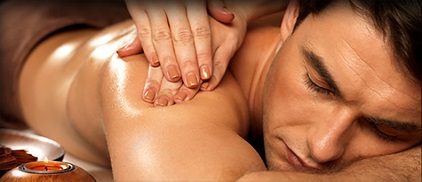
Massage therapists are ready to help you relax at Urban Day Spa in Houston and Urban Day Spa in Spring, Texas! Experience relaxation and stress-relief while receiving a Swedish Massage, Hot Stone Massage, Pre-Natal Massage, Sports Massage, Deep Tissue Massage, Couple’s Massage, or any spa package that includes massage therapy as part of the suite of services.

Body Treatments
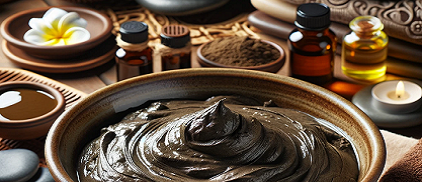
Come visit us at Urban Day Spa and experience the youthful effects of our specialized spa therapies provided by fully trained, talented professionals!
Enjoying the relaxation of our Spring, Texas massage therapy, and Houston, Texas massage therapy, skin treatment, and body treatment centers can help you nurture and display your inner and outer glow!

Facial Therapy
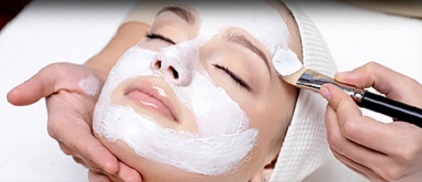
Facial therapies at Urban Day Spa can help you nurture and display your inner and outer glow! Experience the Lavender Paraffin Facial,Aqua Stones Facial,Classic Facial, Petite Facial, or any of our spa packages that include the luxurious, affordable facials for your ultimate day spa experience at either location in Spring, Texas, or at Urban Day Spa in Houston!