Postpartum Massage Recovery
Postpartum Massage Recovery
Urban Day Spa
What resonates most with you?
Select the one that feels most true — we’ll match you to the right treatments
The weeks and months following childbirth are among the most physically and emotionally demanding of a person’s life. The body that carried and delivered a baby is simultaneously depleted, inflamed, hormonally recalibrating, and asked to function at a high level around the clock — often without adequate sleep, support, or recovery time. Postpartum massage is one of the most substantively beneficial and underutilized therapeutic tools available to new mothers in this period, offering measurable improvements in physical recovery, hormonal balance, mood stability, and sleep quality. A skilled Houston massage therapist who specializes in postnatal care brings specific anatomical knowledge and adaptive technique to this delicate phase, making the difference between a session that genuinely accelerates recovery and one that is simply pleasant but superficial.
What Postpartum Massage Actually Addresses
Postpartum massage is not a standard spa massage performed on a new mother. It is a clinically informed form of therapeutic bodywork specifically designed to meet the physiological conditions of the postpartum body. After childbirth, regardless of whether the delivery was vaginal or via cesarean, the body undergoes a complex and demanding transition. The uterus, which expanded to accommodate a full-term pregnancy, must contract and return to its pre-pregnancy size — a process called involution that takes four to six weeks in most cases. The connective tissue, joints, and ligaments that loosened under the influence of relaxin during pregnancy do not immediately return to their pre-pregnancy tension and stability. The muscles of the core, pelvic floor, lower back, and hips, which bore substantial strain throughout pregnancy and delivery, are often profoundly fatigued.
Postpartum massage addresses each of these concerns through adapted techniques that account for the changed state of the body. Therapists trained in postnatal care modify their pressure, positioning, and approach to safely work with tissues that are still healing, hormone levels that are still shifting, and an overall physiological state that differs significantly from that of a non-postpartum adult. The goal is not only relaxation but active physical restoration — helping the body recover from the demands of pregnancy and delivery more efficiently than it would through rest alone.
Two Spa Locations Near You
Urban Day Spa in Spring on Louetta Rd
6396 Louetta Rd | 832.698.1544
Urban Day Spa in Houston (Copperfield)
7014 Highway 6 N. Ste D | 281.345.7070
Physical Recovery Benefits
The most immediately felt benefits of postpartum massage are physical. New mothers frequently experience significant muscle tension in the shoulders, neck, and upper back — a direct result of the sustained flexion required for breastfeeding, carrying a newborn, and operating on fragmented sleep with limited core support. The lower back and hips, which were already under strain from the postural changes of pregnancy, often remain sore and stiff for weeks or months after delivery. Targeted massage work on these areas provides genuine muscular relief, reducing tension, improving circulation to fatigued tissues, and restoring a greater range of comfortable movement.
Postpartum swelling — edema — is another common physical complaint that massage specifically addresses. Many women retain significant fluid in the days and weeks following delivery, particularly in the legs, ankles, and feet, as the body works to metabolize the additional blood volume that pregnancy requires. Gentle massage techniques that encourage lymphatic drainage and venous return help move this retained fluid through the body’s circulatory system and reduce the heaviness, puffiness, and discomfort that accompany postpartum edema. The mechanical effect of massage on circulation in this context is well-documented and represents one of the clearest and most direct therapeutic applications of postnatal bodywork.
Massage also supports the process of uterine involution. While the uterus contracts on its own under the influence of oxytocin — a process that is accelerated by breastfeeding — abdominal massage techniques adapted for the postpartum period can support this return to pre-pregnancy size and positioning, helping the uterine ligaments and pelvic structures realign more efficiently. This type of uterine massage should only be performed by a therapist with specific postpartum training and appropriate timing relative to the delivery, and clients should always discuss abdominal work with their healthcare provider before beginning.
Hormonal Balance and Postpartum Mood
The hormonal landscape after childbirth is one of the most dramatic shifts the human body undergoes. Estrogen and progesterone, which were elevated throughout pregnancy, drop sharply after delivery. Cortisol — the body’s primary stress hormone — tends to remain elevated in the early postpartum period due to sleep deprivation, physical recovery demands, and the psychological adjustment to parenthood. This hormonal environment directly influences mood, and the range of emotional experiences it produces spans from the transient “baby blues” that affect up to 80 percent of new mothers in the first two weeks after delivery to clinically significant postpartum depression and anxiety that require dedicated treatment.
Massage therapy has a well-established effect on stress hormone levels. Research consistently shows that massage reduces cortisol and norepinephrine while promoting the release of serotonin and dopamine — the neurotransmitters most directly associated with mood stabilization and emotional wellbeing. In the postpartum context, these effects are particularly valuable. A study examining oxytocin massage in postpartum mothers found that consistent application of targeted back massage significantly reduced stress and anxiety scores while measurably increasing oxytocin levels — the hormone associated with bonding, relaxation, and emotional warmth. These are not marginal effects. For a new mother navigating the intersection of sleep deprivation, physical recovery, and the profound emotional adjustment that follows birth, regular massage therapy can meaningfully shift the hormonal and neurochemical baseline in a positive direction.
It is important to note that postpartum massage is not a replacement for professional mental health support in cases of clinical postpartum depression or anxiety. If a new mother is experiencing persistent low mood, loss of interest, difficulty bonding with her baby, or intrusive thoughts, she should speak with her healthcare provider. Massage can be a valuable part of a broader support plan, but it works best as a complement to — not a substitute for — appropriate medical and psychological care.
Supporting Breastfeeding Through Massage
One of the less widely discussed but clinically meaningful benefits of postpartum massage is its positive influence on breastfeeding. The oxytocin that massage stimulates plays a central role in the milk ejection reflex — the physiological process by which milk moves from the milk-producing cells through the ductal system to the nipple during nursing. When stress and tension suppress oxytocin release, the milk ejection reflex can be impaired, leading to frustrating nursing sessions even in mothers with adequate milk supply.
A specific technique called oxytocin massage, which focuses on the paravertebral muscles along the thoracic spine, has been studied in the context of breastfeeding support and found to promote endogenous oxytocin release, facilitate the milk let-down reflex, and support breastfeeding self-efficacy in the early postpartum period. A randomized controlled trial registered with ClinicalTrials.gov examined oxytocin massage in mothers with insufficient milk production and found statistically significant improvements in milk production and let-down response.For mothers who are working to establish or maintain breastfeeding, massage by a therapist familiar with postnatal technique can offer meaningful support during a period when many women struggle with the physical and emotional demands of nursing.
Sleep Quality After Delivery
Sleep deprivation is the defining physical experience of early parenthood, and its effects on recovery, mood, cognitive function, and physical healing are substantial. New mothers rarely have the luxury of sleeping when they need to, but the quality of the sleep they do get matters enormously. Massage therapy is one of the most reliable non-pharmacological interventions for improving sleep quality, operating through the parasympathetic nervous system activation — the rest-and-digest physiological state — that sustained, attentive touch reliably produces.
The reduction in cortisol that massage achieves has a direct downstream effect on sleep architecture. High cortisol levels disrupt the transitions between sleep stages and suppress the depth of restorative slow-wave sleep. By reducing cortisol and increasing serotonin — the precursor to melatonin — massage creates physiological conditions that support both falling asleep more easily and sleeping more deeply when the opportunity arises. For a new mother whose sleep is already fragmented by infant feeding schedules, the difference between shallow, cortisol-disrupted sleep and deeper, more restorative sleep during those windows can be the difference between functioning and struggling.
When to Start Postpartum Massage: Timing and Safety
The appropriate timing for postpartum massage depends on the type of delivery and the individual mother’s recovery trajectory. After an uncomplicated vaginal delivery, most postpartum massage therapists recommend beginning gentle sessions within one to two weeks, starting with work focused on the back, shoulders, legs, and arms while avoiding the abdomen until the uterus has had time to involute and any perineal healing has progressed. Full-body work, including gentle abdominal massage, is typically appropriate by four to six weeks after a vaginal delivery, ideally following a check-in with the mother’s obstetrician or midwife at the standard postpartum appointment.
After a cesarean delivery, the timeline is more conservative. A cesarean section is major abdominal surgery involving multiple tissue layers, and the healing process for the incision and the underlying fascia requires additional time. Most practitioners recommend waiting at least eight weeks after a C-section before any abdominal massage work, and only with physician clearance confirming that the incision is healing without complication. Non-abdominal work — the back, shoulders, hips, and legs — can generally begin earlier, typically around two to three weeks post-surgery, again with medical clearance. Working with a therapist who is specifically trained in postpartum bodywork for cesarean recovery is important, as they understand the layered healing of surgical tissue and can adapt technique accordingly.
There are specific conditions under which postpartum massage should be approached with caution or deferred until medical clearance is obtained. These include active infection at the delivery site or elsewhere, deep vein thrombosis, uncontrolled postpartum hypertension, fever, and any complication identified by the delivering physician as requiring restricted activity. A qualified postpartum massage therapist will conduct a thorough intake process, review the birth history and recovery status, and communicate with the client’s healthcare provider when any of these factors are present.
What to Expect During a Postpartum Massage Session
A postpartum massage session at a qualified spa or therapeutic clinic typically runs 60 to 90 minutes. The session begins with a detailed intake conversation covering the type and date of delivery, any complications, current physical complaints, and areas of particular concern. Positioning is adapted to the postpartum body — side-lying with supportive bolsters is common, particularly in the early weeks, though face-down positioning with appropriate cushioning may become comfortable as healing progresses. Many mothers also appreciate the option of face-up positioning for upper-body work once they are comfortable lying in that position without discomfort.
The therapist will work systematically through the areas that are accessible, appropriate, and relevant to the client’s current recovery stage. Back, shoulder, and neck work to address the strain of infant care and feeding typically forms a significant portion of the session. Hip and gluteal work addresses the residual tension from pregnancy’s postural changes. Leg and foot work supports circulation and reduces edema. As recovery progresses and abdominal work becomes appropriate, the therapist may incorporate gentle techniques to support uterine positioning and scar tissue management for cesarean clients.
Choosing the Right Postpartum Massage Therapist in Houston
Not every licensed massage therapist has the training or experience to work safely and effectively with postpartum clients. The anatomical and physiological considerations of the postpartum period — healing tissue, shifted hormones, altered musculoskeletal mechanics, and the specific needs of cesarean recovery — require knowledge that extends beyond general massage training. In Texas, massage therapists are licensed through the Texas Department of Licensing and Regulation and must complete a minimum of 500 hours of foundational education, but postpartum specialization involves additional training beyond that baseline. When selecting a postpartum massage provider in Houston, it is worth asking specifically about the therapist’s postpartum training, their experience with cesarean clients if relevant, and the intake process they use to identify contraindications and tailor the session to the client’s specific recovery stage. Houston’s large and diverse population of new mothers deserves care that is specifically adapted to the postpartum body, delivered by a therapist who understands its particular needs and vulnerabilities. Working with a dedicated Houston massage therapist who brings both technical skill and genuine postpartum expertise to each session offers new mothers one of the most substantively restorative forms of self-care available during one of the most demanding seasons of their lives.

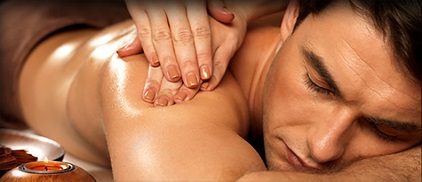
Massage Therapy
Massage therapists are ready to help you relax at Urban Day Spa in Houston and Urban Day Spa in Spring, Texas! Experience relaxation and stress-relief while receiving a Swedish Massage, Hot Stone Massage, Pre-Natal Massage, Sports Massage, Deep Tissue Massage, Couple’s Massage, or any spa package that includes massage therapy as part of the suite of services.

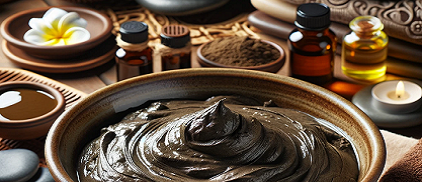
Body Treatments
Come visit us at Urban Day Spa and experience the youthful effects of our specialized spa therapies provided by fully trained, talented professionals!
Enjoying the relaxation of our Spring, Texas massage therapy, and Houston, Texas massage therapy, skin treatment, and body treatment centers can help you nurture and display your inner and outer glow!

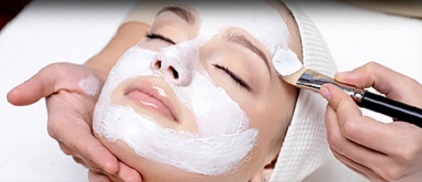
Facial Therapy
Facial therapies at Urban Day Spa can help you nurture and display your inner and outer glow! Experience the Lavender Paraffin Facial,Aqua Stones Facial,Classic Facial, Petite Facial, or any of our spa packages that include the luxurious, affordable facials for your ultimate day spa experience at either location in Spring, Texas, or at Urban Day Spa in Houston!