Can a Spa Help with Back Pain
Can a Spa Help with Back Pain
Back pain is one of the most common health complaints in the United States. According to the American College of Physicians (ACP), approximately one in four American adults experiences low back pain lasting at least one day in any given three-month period, making it one of the leading reasons people visit a physician. If you have lived with aching, stiffness, or tension in your back, you may have wondered whether a spa visit could offer real, meaningful relief — or whether it is simply a pleasant way to pass the time.
The answer, grounded in a growing body of peer-reviewed medical research, is that spa treatments can genuinely help with certain types of back pain. The mechanisms are well understood by physiologists, and major clinical guidelines now recommend several spa-related therapies as front-line, non-drug approaches to managing back pain. What follows is a look at what the evidence actually shows, what happens inside your body during these treatments, and how to think about spa care as part of a broader pain management strategy.
What the Medical Guidelines Say
In 2017, the American College of Physicians published a landmark clinical practice guideline in the Annals of Internal Medicine — one of the most widely read medical journals in the world. The guideline, built on a rigorous systematic review of randomized controlled trials, addressed exactly what physicians should recommend to patients with back pain. The guidance was striking in how prominently it elevated non-drug therapies.
For patients with acute or subacute low back pain, the ACP recommended that clinicians and patients select nonpharmacologic treatment — specifically listing superficial heat, massage, acupuncture, and spinal manipulation — before turning to medication. For patients with chronic low back pain, the ACP recommended a first line of non-drug therapies including exercise, massage, mindfulness-based stress reduction, acupuncture, and several other approaches. The guideline’s authors were explicit that physicians should prioritize therapies with the fewest harms and costs.
This is significant for spa-goers because heat therapy and massage — two of the most common services offered at day spas — appear by name in a major clinical guideline as appropriate first responses to one of the most prevalent sources of pain Americans experience.
Source: Qaseem A, et al. “Noninvasive Treatments for Acute, Subacute, and Chronic Low Back Pain: A Clinical Practice Guideline From the American College of Physicians.” Annals of Internal Medicine, April 2017. DOI: 10.7326/M16-2367
The Science Behind Heat Therapy
When you settle into a warm hydrotherapy pool or a heated treatment table, your body’s response to that warmth is not passive. Physiologists have documented a cascade of events triggered by heat application to musculoskeletal tissue.
A systematic review and meta-analysis published in the Journal of Pain Research examined the effects of hot spring hydrotherapy on chronic low back pain across 16 studies involving 1,656 participants from multiple countries. The researchers described the mechanism clearly: under higher temperatures, heat triggers responses in the skin’s thermoreceptors, which relay information to the central nervous system. This initiates vasodilation, muscle relaxation, and pain reduction. Increased blood circulation removes metabolic waste products that accumulate in chronically tight or strained tissue, while delivering oxygen and nutrients to recovering cells.
The same research notes that mineral-rich spa water — containing elements such as sulfur, magnesium, and calcium — may be absorbed through the skin and exert antioxidant effects, contributing to anti-inflammatory and analgesic outcomes. Warm water immersion also provides buoyancy, which offloads weight from spinal joints and discs, creating decompressive effects that are difficult to replicate with dry-land treatments.
Research published in the journal Physiopedia explains that the warmth of water in hydrotherapy can block nociceptors — the nerve endings responsible for sending pain signals — by acting on thermal receptors and mechanoreceptors. This mechanism influences spinal segmental signaling in ways that provide measurable pain relief.
Source: Mu L, et al. “The Impact of Hot Spring Hydrotherapy on Pain Perception and Dysfunction Severity in Patients with Chronic Low Back Pain: A Systematic Review and Meta-Analysis.” Journal of Pain Research, 2023. PMC10658949
Balneotherapy and Spa Therapy: What the Research Shows
Balneotherapy — the therapeutic use of mineral or thermal waters — has been studied extensively as a treatment for chronic low back pain (CLBP). An updated systematic review and meta-analysis published in the journal Medicine examined multiple randomized controlled trials and found that spa therapy produced short-term beneficial effects on both pain relief and lumbar spine mobility. The researchers measured outcomes using the Visual Analogue Scale (VAS), a standard clinical tool for quantifying pain intensity, and the Oswestry Disability Index (ODI), which assesses functional limitation.
The analysis found that improvement in pain scores was significantly higher in the spa therapy group than in control groups, with consistent results across subgroups treated with balneotherapy alone, balneotherapy combined with mud-pack applications, and balneotherapy combined with physiotherapy. Several trials also observed improvement in lumbar mobility after treatment.
An earlier meta-analysis of randomized trials published in the journal Rheumatology by Pittler and colleagues at the Peninsula Medical School, Universities of Exeter and Plymouth, reached a similar conclusion: there was encouraging evidence that spa therapy and balneotherapy are effective for patients with low back pain. The authors called for larger, more rigorous trials to build on these promising findings.
A 2022 study published in Scientific Reports evaluated spa therapy in patients with osteoarthritis of the spine. Researchers tracked 102 spa therapy patients against control groups at the start of treatment, one month after, and six months after. Spa therapy produced statistically significant improvement in pain, functional efficiency, and life satisfaction — and these effects appeared to be sustained at the six-month follow-up, suggesting that the benefits extend beyond the treatment period itself.
Sources: Ruixue C, et al. “Effectiveness of Spa Therapy for Patients with Chronic Low Back Pain.” Medicine, 2019. PMC6750337. | Pittler MH, et al. “Spa therapy and balneotherapy for treating low back pain.” Rheumatology, 2006. DOI: 10.1093/rheumatology/kel018. | Szpotańska-Łukasik M, et al. Scientific Reports, 2022. DOI: 10.1038/s41598-022-18046-6
Massage Therapy: A Clinically Recognized Option
Massage is one of the most requested services at day spas, and for people dealing with back pain, this instinct has clinical backing. The ACP guideline explicitly includes massage as a recommended first-line non-drug treatment for both acute/subacute and chronic low back pain.
A comprehensive systematic review published in JAMA Network Open in July 2024 — funded by the U.S. Department of Veterans Affairs — mapped the evidence base for massage therapy across painful health conditions studied between 2018 and 2023. The review found that massage therapy is a widely accepted complementary and integrative health modality for individuals seeking relief from pain, including back pain, and is practiced through the manual assessment and manipulation of soft tissue including skin, muscle, tendon, ligament, and fascia.
The American Academy of Family Physicians, summarizing the ACP guidelines, notes that massage produces moderate improvement in pain and function in the short term compared with sham therapy in people with subacute back pain. The evidence for serious adverse events is low — the most commonly reported effect is temporary soreness during or after the session.
From a mechanical standpoint, skilled massage releases myofascial restrictions and muscle knots, improves local circulation, reduces cortisol levels, and activates the parasympathetic nervous system. These physiological effects translate to reduced pain perception, decreased muscle tension around the spine, and improved functional movement.
Sources: Mak S, et al. “Use of Massage Therapy for Pain, 2018–2023: A Systematic Review.” JAMA Network Open, July 2024. PMC11250267. | American Academy of Family Physicians summary of ACP Guidelines, September 2017.
What Types of Back Pain Respond Best
Back pain is not a single condition — it encompasses everything from acute muscle strains and postural tension to chronic degenerative disc changes and inflammatory arthritis. Spa treatments are not equally appropriate or effective for every type.
Chronic low back pain — defined clinically as pain lasting more than 12 weeks — has the largest body of spa therapy evidence behind it. Mechanical back pain driven by muscle imbalance, spinal joint wear, or postural strain responds well to heat, massage, and hydrotherapy because the underlying drivers (tight musculature, restricted circulation, pain sensitization) are directly addressed by these modalities.
Subacute back pain — pain present between four and twelve weeks — is explicitly addressed by the ACP guidelines as appropriate for massage and heat. Acute pain, meaning pain that has been present for fewer than four weeks and often follows a specific injury, should be approached more carefully. Medical professionals typically recommend ice in the first 48 to 72 hours following an acute injury while acute inflammation is at its peak. Once that initial window has passed, heat becomes the preferred approach, and hydrotherapy and massage can be introduced.
Anyone experiencing sudden severe back pain accompanied by numbness, leg weakness, or any loss of bladder or bowel control should seek medical attention before any spa treatment, as these may signal neurological involvement requiring clinical assessment.
The Stress-Pain Connection
One dimension of spa therapy that clinical literature increasingly recognizes is the relationship between psychological stress and physical pain. Chronic pain and elevated stress exist in a reinforcing cycle: pain causes stress, and stress amplifies pain sensitivity. This is not simply subjective — stress hormones such as cortisol and norepinephrine have measurable effects on muscle tension, inflammation, and nervous system reactivity.
Research published in the journal Pathways Health notes that during hydrotherapy, levels of stress hormones are reduced, and the warmth and calming environment of water immersion promote a shift toward parasympathetic nervous system dominance. This physiological relaxation response decreases muscle guarding — the protective tightening that often develops around painful areas — and can lower overall pain sensitivity. Warm water immersion gives the body a clear signal of safety, which matters significantly in cases where chronic pain has trained the nervous system to remain on constant alert.
This is why the ACP also recommends mindfulness-based stress reduction as a treatment for chronic low back pain. The nervous system component of pain is real and clinically relevant, and spa environments — designed specifically to promote calm and reduce sensory overload — can support this dimension of healing alongside the more direct mechanical benefits.
Getting the Most from Your Spa Visit
If you are coming to a spa specifically hoping to address back pain, a few considerations can help you maximize the benefit. Communicate clearly with your therapist about the location, nature, and duration of your pain. A skilled massage therapist can adjust technique, pressure, and focus areas based on your specific presentation — Swedish massage, deep tissue work, and trigger point release each serve different purposes and work best for different types of pain.
Hydrotherapy pools, hot soaks, and heated treatment surfaces all contribute heat to the tissue in ways that promote the vasodilation, muscle relaxation, and nociceptor suppression described in the research. Allow adequate time to let the heat penetrate — physiologists typically recommend at least five to ten minutes of passive immersion before the tissue begins to respond. Gentle movement during water immersion, when appropriate, can amplify the benefit by combining buoyancy-assisted mobilization with heat.
Regular sessions tend to produce better outcomes than a single visit. The clinical trials that found significant benefit from spa therapy typically delivered treatment over several consecutive sessions, not a single appointment. Establishing a routine — whether weekly or biweekly — gives the body time to move through cycles of tension and release and may reduce the frequency and severity of flare-ups over time.
Spa Therapy as Part of a Larger Strategy
Spa treatments work best as one component of a broader approach to back health, not as a standalone cure. The most favorable outcomes in the clinical literature come from combining heat and hydrotherapy with exercise, education, and when relevant, psychological support. A 2017 randomized controlled trial published in Scientific Reports explored a five-day intensive program that combined spa therapy, exercise, and education for patients with back pain on sick leave, finding that the multidisciplinary format produced better outcomes than usual care alone.
For people managing ongoing back conditions, this means that spa visits pair well with a consistent exercise routine — particularly core and back stabilization work — as well as with adequate sleep, posture awareness, and stress management. The spa provides an environment in which pain is reduced and the body is more receptive to movement; the exercise and lifestyle work builds the structural and neurological resilience that keeps pain from returning.
If you are under care from a physician, physical therapist, or pain specialist, it is worth mentioning that you are incorporating spa treatments into your routine. In many cases, providers are supportive of these approaches — the ACP guidelines exist precisely to help physicians recommend heat and massage rather than defaulting immediately to medication. Spa care and conventional medical care are not in competition; they are increasingly recognized by clinical guidelines as working toward the same goal.
The Takeaway
The question of whether a spa can help with back pain has a well-supported answer: yes, in meaningful and physiologically documented ways. Heat therapy reduces muscle tension, increases circulation, and suppresses pain signals through thermoreceptor activation. Massage addresses soft tissue restriction, reduces stress hormones, and is explicitly recommended by the American College of Physicians as a front-line, non-drug response to both acute and chronic low back pain. Hydrotherapy and balneotherapy have been studied in multiple randomized controlled trials and systematic reviews, with consistent findings of short-term pain reduction and improved lumbar function.
None of this means that a spa replaces medical care for serious or structural back conditions. But for the broad population of people living with the aching, stiffening, and recurring tension that characterizes common low back pain, the spa is not simply a luxury — it is, according to the medical literature, one of the more sensible places to start.
This article is for informational purposes only and does not constitute medical advice. If you are experiencing back pain, particularly with neurological symptoms such as numbness, weakness, or bladder or bowel changes, please consult a licensed healthcare provider.
Urban Day Spa
What resonates most with you?
Select the one that feels most true — we’ll match you to the right treatments
Two Spa Locations Near You
Urban Day Spa in Spring on Louetta Rd
6396 Louetta Rd | 832.698.1544
Urban Day Spa in Houston (Copperfield)
7014 Highway 6 N. Ste D | 281.345.7070

Massage Therapy
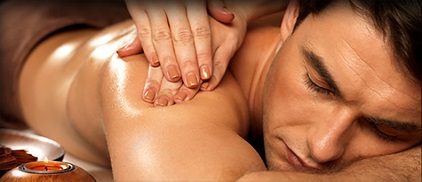
Massage therapists are ready to help you relax at Urban Day Spa in Houston and Urban Day Spa in Spring, Texas! Experience relaxation and stress-relief while receiving a Swedish Massage, Hot Stone Massage, Pre-Natal Massage, Sports Massage, Deep Tissue Massage, Couple’s Massage, or any spa package that includes massage therapy as part of the suite of services.

Body Treatments
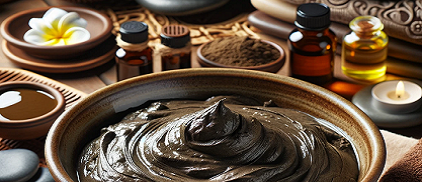
Come visit us at Urban Day Spa and experience the youthful effects of our specialized spa therapies provided by fully trained, talented professionals!
Enjoying the relaxation of our Spring, Texas massage therapy, and Houston, Texas massage therapy, skin treatment, and body treatment centers can help you nurture and display your inner and outer glow!

Facial Therapy
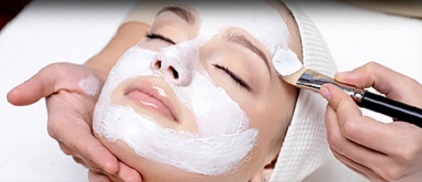
Facial therapies at Urban Day Spa can help you nurture and display your inner and outer glow! Experience the Lavender Paraffin Facial,Aqua Stones Facial,Classic Facial, Petite Facial, or any of our spa packages that include the luxurious, affordable facials for your ultimate day spa experience at either location in Spring, Texas, or at Urban Day Spa in Houston!